2026 Best Trends in Cosmetic Packaging Design Innovations
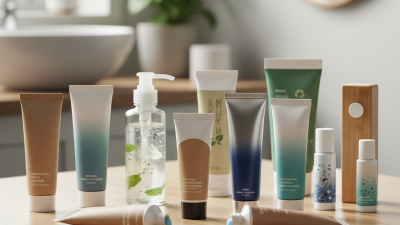
In the dynamic world of beauty, cosmetic packaging plays a pivotal role. It combines aesthetics with functionality, capturing attention on crowded shelves. As we look forward to 2026, innovative trends are set to redefine this space. Brands are exploring eco-friendly materials to reduce environmental impact. Consumers now prioritize sustainability. Creative designs reflect brand identity, making products stand out.
Modern cosmetic packaging incorporates smart technology. Think of bottles that indicate when products are running low. This trend enhances customer experience. However, could overcomplicating packaging confuse consumers? Simplicity remains vital in effective design.
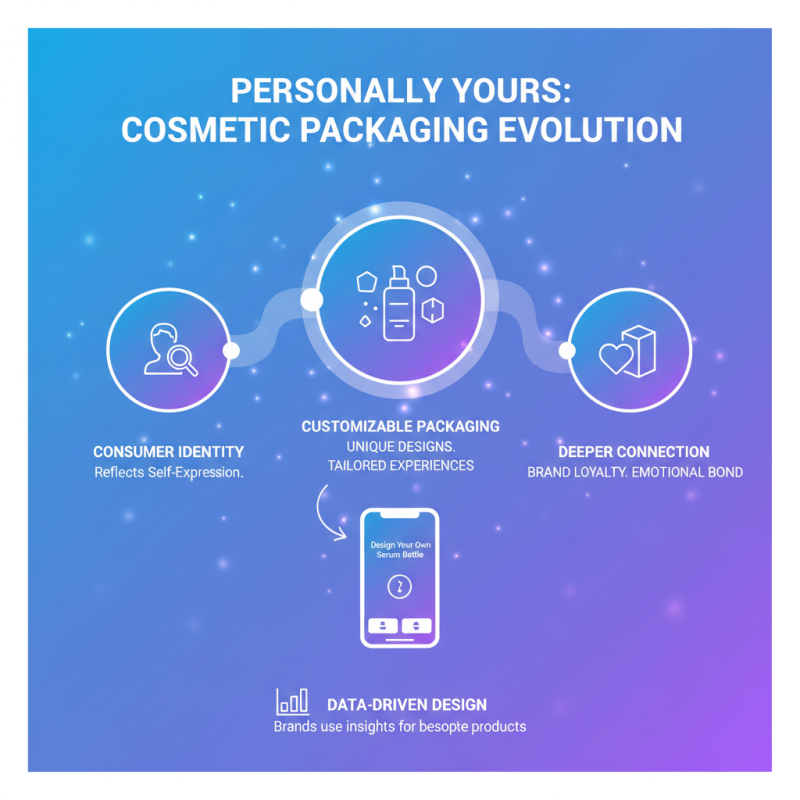
Furthermore, personalization is becoming more prominent. Customizable options allow consumers to feel unique. Yet, brands must balance that with practicality. Some packaging may stray too far into the realm of gimmickry. The challenge for designers will be to innovate while keeping accessibility in mind. Balancing creativity and usability is key. The future of cosmetic packaging is bright, yet complex.
Emerging Sustainable Materials in Cosmetic Packaging Design
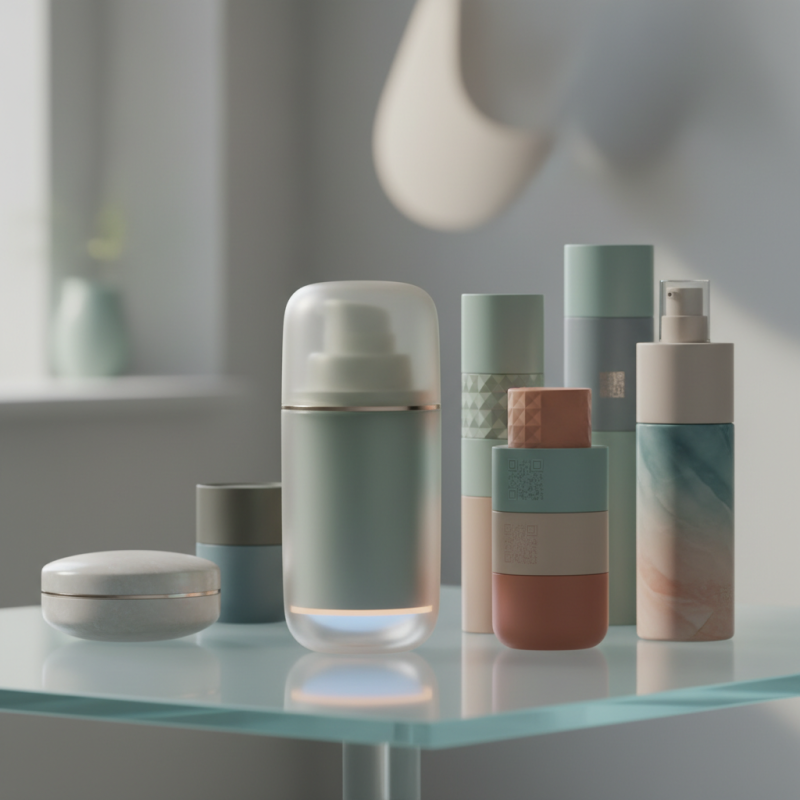
The cosmetic packaging industry is evolving rapidly. Innovative sustainable materials are at the forefront. Brands are seeking eco-friendly options for their packaging. Natural substances, recycled plastics, and biodegradable materials are gaining traction. These not only reduce waste but also resonate with environmentally conscious consumers.
Consider using plant-based plastics or other bio-materials. They are often derived from renewable resources. The challenge lies in balancing aesthetics with sustainability. Packaging must still attract consumers visually. A sleek design can draw attention, but the materials used should align with eco-friendly values.
Tips: Always research the lifecycle of materials. Assess their environmental impact. Small changes in packaging can lead to significant benefits. Rethink your packaging strategy to innovate while staying eco-friendly. This balance requires reflection and adaptation. Embrace the imperfect nature of this journey as you explore sustainable designs.
2026 Best Trends in Cosmetic Packaging Design Innovations
Minimalism in Cosmetic Packaging: Trends and Examples
Minimalism in cosmetic packaging is a powerful trend sweeping the beauty industry. Simple, clean designs often catch the eye. They evoke a sense of calm and purity. The focus is on the product itself, not the packaging. Shapes are streamlined, and colors are muted. This approach highlights the essence of the product.
Innovative materials also play a role in this trend. Biodegradable plastics, for example, are gaining traction. They offer a sustainable alternative. However, not all companies fully embrace this option. Some struggle to balance aesthetics with eco-friendliness. It's a challenge, but progress is being made.
Yet, minimalism isn’t without its flaws. Sometimes, it can come off as too stark or bland. Consumers want personality in their products. A little creativity can go a long way. Brands need to reflect their values while keeping it simple. Striking the right balance is crucial.
2026 Best Trends in Cosmetic Packaging Design Innovations
| Trend |
Description |
Key Features |
Examples of Use |
| Minimalist Design |
Focus on simplicity and clean lines, eliminating unnecessary elements. |
Limited color palette, geometric shapes, and clear typography. |
Use of frosted glass and matte finishes. |
| Eco-friendly Materials |
Packaging made from sustainable resources to reduce environmental impact. |
Recyclable, biodegradable, and refillable options. |
Bamboo containers, recycled paper, and glass bottles. |
| Smart Packaging |
Integration of technology to enhance user experience and information delivery. |
QR codes, NFC-enabled packaging, and augmented reality features. |
Interactive labels that provide product info via smartphones. |
| Refillable Systems |
Encouraging customers to reuse packaging by providing refill options. |
Designed for easy refilling and minimal waste. |
Specialized containers with refill packs. |
| Artisanal Touch |
Handcrafted and unique packaging designs that convey a personal feel. |
Hand-drawn illustrations and bespoke materials. |
Limited edition packaging with artist collaborations. |
Smart Technology Integration in Cosmetic Packaging Solutions
The integration of smart technology in cosmetic packaging is reshaping the industry. According to a recent report by Allied Market Research, the smart packaging market is expected to grow at a compound annual growth rate (CAGR) of 9.3% from 2021 to 2026. This surge is largely driven by consumers seeking more interactive and personalized experiences. Smart packaging can include features such as QR codes and augmented reality, appealing directly to tech-savvy customers.
However, challenges remain. Some technologies may not be user-friendly, leading to frustration. Another concern is compatibility with recyclable materials. A study by Grand View Research indicates that 74% of consumers prioritize sustainability. Brands face pressure to balance innovative designs while promoting eco-friendly practices. The industry must reflect on how to simplify these technologies without sacrificing sustainability.
Incorporating smart technology also raises questions about privacy. Consumers worry about data collection tied to smart packaging features. It's vital for cosmetic brands to address these concerns transparently. Addressing these issues can lead to trust and long-term customer loyalty, despite initial setbacks. Ultimately, the evolution of cosmetic packaging will depend on striking this delicate balance.
Artistic Aesthetics: Bold Colors and Unique Shapes in Packaging Design
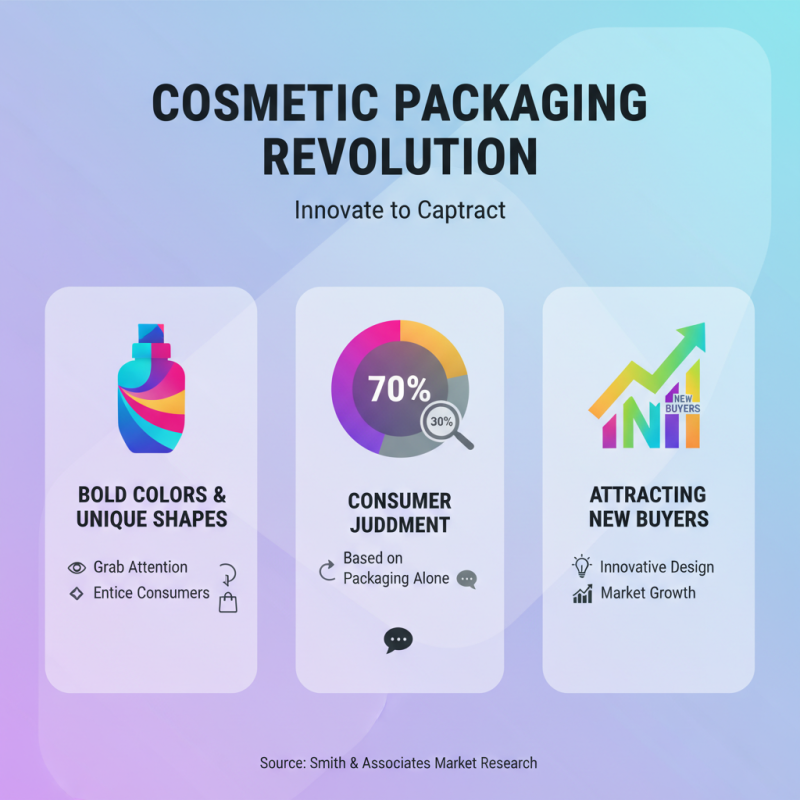
In recent years, cosmetic packaging design has seen a dramatic shift. Bold colors grab attention. Unique shapes entice consumers. Data from the market research firm Smith & Associates indicates that 70% of consumers make judgments about a product based solely on its packaging. This statistic highlights the importance of innovative design in attracting new buyers.
Artistic aesthetics are crucial. The use of vibrant colors can enhance brand recognition. A report from the Cosmetic Packaging Institute shows that 55% of consumers prefer packaging that stands out on shelves. Designers are experimenting with unconventional shapes, too. From geometric forms to asymmetrical designs, these choices make products memorable. However, not every design receives positive feedback. Some consumers find overly artistic packaging impractical.
Sustainability continues to play a role in packaging decisions. While bold designs attract attention, consumers now seek environmentally friendly options. A survey from EcoPack Insights found that 40% of shoppers are willing to pay more for sustainable packaging. The challenge lies in combining bold aesthetics with eco-conscious materials. This requires ongoing innovation and a willingness to address consumer concerns. Creative solutions are essential in navigating such complexities.