Why Choose Plastic Bottle Containers for Your Packaging Needs?
In the world of packaging, the choice of materials significantly impacts product preservation and consumer appeal. Plastic Bottle Containers have emerged as a preferred option among manufacturers for various reasons. They offer durability, lightweight convenience, and cost-effectiveness. This versatility makes them suitable for diverse industries, from food and beverages to cosmetics and pharmaceuticals.
Many businesses have experienced challenges with other packaging types. Glass containers, while aesthetically pleasing, can be heavy and fragile. Metal options may corrode over time, compromising quality. Plastic Bottle Containers, in contrast, withstand physical stress. They protect contents from external factors, ensuring longevity and freshness.
However, selecting Plastic Bottle Containers isn't without its considerations. While they provide many benefits, issues like environmental impact require critical evaluation. It's essential for companies to reflect on sustainable practices, balancing convenience with ecological responsibility. Therefore, understanding the strengths and weaknesses of Plastic Bottle Containers is vital for informed decision-making in packaging.
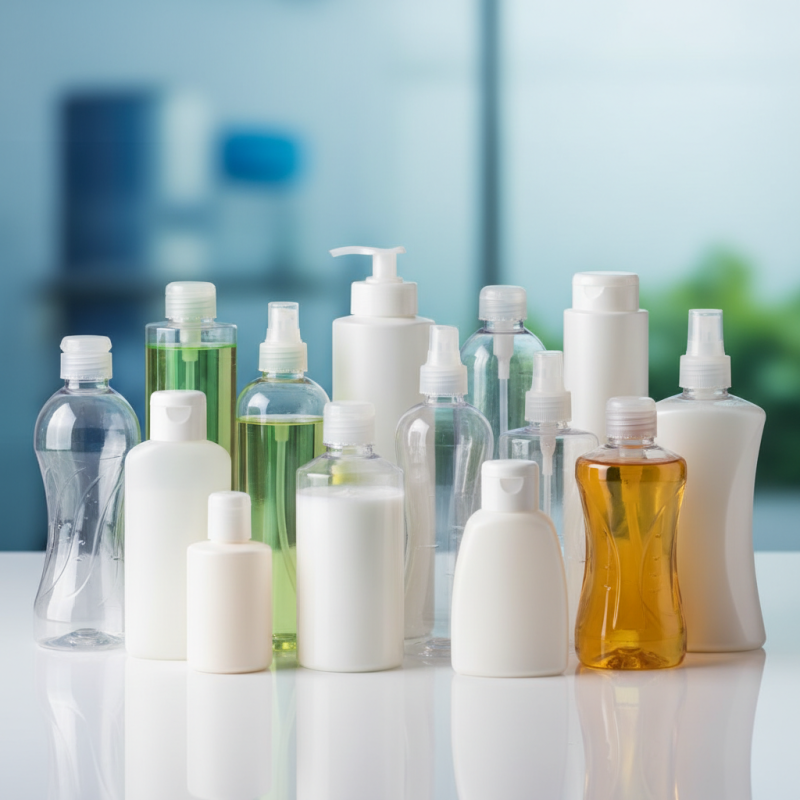
Benefits of Using Plastic Bottle Containers in the Packaging Industry
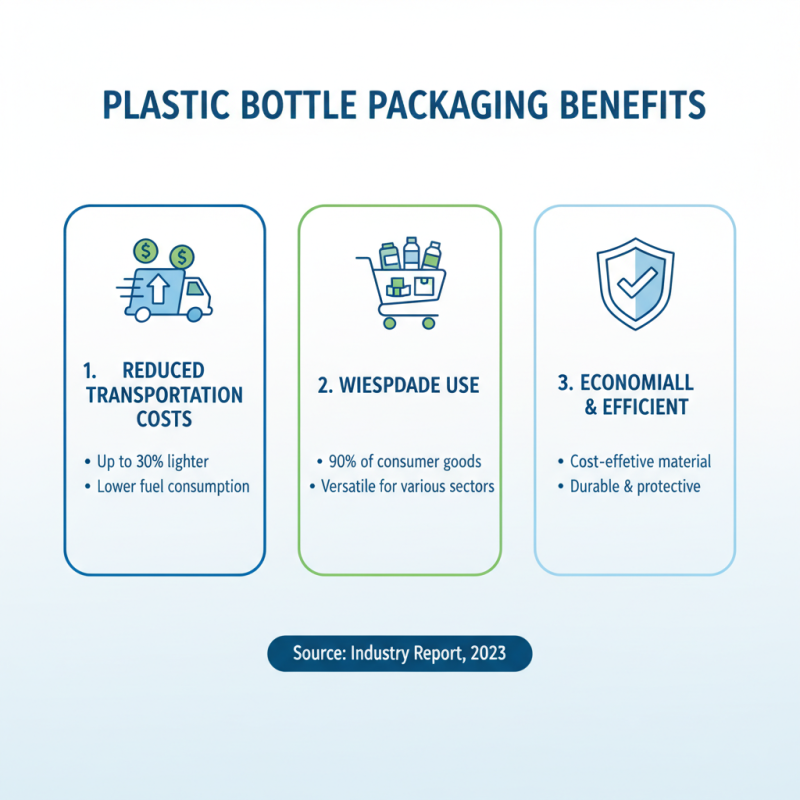
Plastic bottle containers have gained popularity in the packaging industry for several compelling reasons. Their lightweight nature reduces transportation costs by up to 30%, making them an economical choice for various sectors. According to a recent industry report, approximately 90% of consumer goods utilize plastic packaging, highlighting its essential role in modern packaging solutions.
Another significant advantage is their versatility. Plastic bottles can accommodate a wide range of products, from liquids to powders. They can easily adapt to specific designs, sizes, and colors, providing branding flexibility. However, it is vital to acknowledge environmental concerns associated with plastic waste. Recent data shows that about 35 million tons of plastic are produced annually, with only 9% being recycled effectively. Manufacturers are urged to implement sustainable practices, such as incorporating recycled materials and focusing on biodegradable options.
Durability is another key factor driving the use of plastic bottles. They resist breakage and leakage, ensuring product integrity during shipping and storage. However, the perceived reliability can lead to overdependence on single-use plastics. This practice poses challenges for recycling systems. Experts suggest that better recycling infrastructure and increased consumer awareness could improve the sustainability of plastic bottles. The balance between utility and environmental impact remains a complex issue in the packaging landscape.
Key Industry Statistics Supporting Plastic Bottles' Popularity
Plastic bottle containers have gained immense popularity in various industries. According to recent studies, over 50% of packaging solutions rely on plastics. This statistic highlights the widespread acceptance of plastic bottles. They are versatile, durable, and cost-effective. Additionally, the lightweight nature of plastic bottles leads to lower shipping costs, making them desirable for businesses.
Tips: Consider the environmental impact of your packaging. Look for bottles made from recycled materials. These options can enhance your brand's sustainability profile while still meeting functionality needs.
One must also reflect on the challenges. Despite their benefits, plastic waste remains a significant concern. According to the Plastic Waste Management report, only 9% of plastic is recycled. This statistic should prompt businesses to think critically about their packaging choices. Choosing biodegradable alternatives could be a step towards a greener future.
At the same time, consumer preferences are shifting. Many customers now prefer brands that prioritize sustainability. Being aware of these trends can position your business favorably. Keep track of industry data to stay informed about changing dynamics in packaging solutions.
Sustainability Practices in Plastic Packaging: Recycling and Reuse
The sustainability of plastic packaging is often debated. However, the reality is that recycling and reuse are becoming integral parts of the industry. According to the latest report by PlasticsEurope, about 30% of plastic packaging is recycled globally. This statistic shows a significant improvement in waste management practices. Yet, many still see room for growth.
In 2021, the Ellen MacArthur Foundation highlighted that only 9% of the world’s plastic is effectively recycled. This statistic raises questions about inefficiencies within recycling systems. For instance, not all plastic bottles are made from recyclable materials, and many end up in landfills. Encouraging consumers to participate in recycling initiatives can change this narrative.
Reusing plastic containers can extend their life cycle. The National Association for PET Container Resources states that PET bottles can be reused to create new materials. Companies are increasingly exploring innovative reuse strategies to minimize the environmental impact of packaging. However, consumer education on plastic reuse still lags behind. Conversations around sustainability need to become more frequent for meaningful change to happen.
Cost-Effectiveness of Plastic Bottles Compared to Other Packaging Options
When considering packaging options, cost-effectiveness often takes center stage. Plastic bottle containers have become increasingly popular due to their affordability. According to a recent industry report by Smithers, the global market for plastic packaging is projected to reach $500 billion by 2025. This growth is largely driven by the cost benefits associated with plastic materials. The simple truth is that plastic bottles frequently outperform glass or metal in terms of unit cost.
In many cases, producing plastic bottles can be up to 30% cheaper than glass counterparts. One reason for this disparity is the reduced weight of plastic bottles, leading to lower shipping costs. Lightweight packaging can lower transportation expenses by approximately 24%, according to the Packaging Association. Additionally, plastic has a lower carbon footprint compared to other materials during production. Manufacturers can benefit from these savings while still delivering effective and reliable packaging solutions.
However, focusing solely on cost may overlook other important factors. Environmental sustainability is a growing concern among consumers. While plastic is economical, its long-term impact raises questions. The industry faces a challenge in balancing cost savings with sustainability. Being aware of these issues is vital for brands aiming for responsible choices.
Cost-Effectiveness of Plastic Bottles Compared to Other Packaging Options
This chart compares the cost per unit of different packaging options, highlighting the cost-effectiveness of plastic bottles. As shown, plastic bottles offer a competitive pricing advantage over glass bottles and metal cans, making them an ideal choice for many packaging needs.
Market Trends in Plastic Bottle Usage Across Various Industries
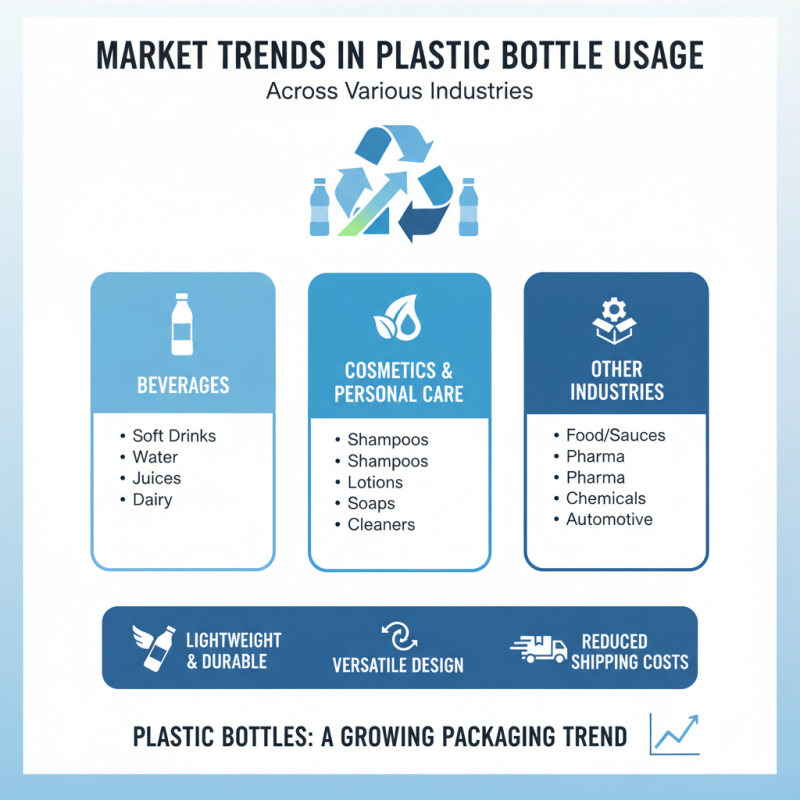
The rise in plastic bottle usage is notable across various industries, reflecting a significant trend in packaging. From beverages to cosmetics, businesses are turning to plastic containers for their benefits. Plastic bottles are lightweight, durable, and versatile. They allow for creative designs while reducing shipping costs.
In the food and beverage sector, many brands choose clear PET bottles. These bottles showcase the product inside, attracting consumers. They are easy to mold into unique shapes. Additionally, the recyclability of plastic bottles appeals to environmentally-conscious customers. However, there’s an ongoing debate about sustainability. Some companies are exploring alternatives, but plastic remains a popular choice.
**Tip:** Consider using biodegradable materials if sustainability is a priority. It may cost more upfront but can enhance brand image.
In the personal care industry, plastic bottles serve as ideal packaging for lotions and shampoos. They offer precise dispensing options. Yet, consumer preferences shift toward eco-friendly packaging. This poses a challenge for brands dependent on traditional plastics.
**Tip:** Engage with your audience about packaging preferences. Their feedback can steer your brand in the right direction.
Adapting to these market trends requires innovation and awareness. Companies must balance consumer demand with environmental responsibility. The evolution of plastic usage in packaging is dynamic and thought-provoking.