How to Choose the Best Tube Containers for Your Products?
Choosing the right Tube Containers is crucial for product success. Experts, like John Smith, a packaging specialist with over 15 years of experience, emphasize, “The right choice can make or break your brand.” This decision impacts not just aesthetics but functionality and user experience.
Tube Containers come in various shapes, sizes, and materials. Selecting the best option involves considering the product’s nature and intended audience. For instance, cosmetics often require sleek, user-friendly designs, while industrial products may need sturdier containers. However, the choice isn't always straightforward.
Many businesses overlook crucial aspects, such as sustainability and cost-effectiveness. Finding a balance is essential. Companies must ask tough questions about durability and presentation. It’s a reflection of brand values. Thoughtful consideration can transform a simple container into a powerful marketing tool that resonates with consumers.

Understanding the Different Types of Tube Containers in the Market
Tube containers come in various materials and designs, each serving a unique purpose. Understanding the types available is crucial for effective product packaging. The main types include plastic, metal, and glass tubes. Each type offers different benefits and drawbacks.
Plastic tubes are lightweight and cost-effective. They are often used for cosmetics, creams, and food products. However, some consumers are concerned about plastic waste. Metal tubes, often used for paints or ointments, provide a premium feel and are highly durable. They can also be recycled, which is a significant advantage for eco-conscious brands. Glass tubes offer elegance and a perceived high quality, often seen in luxury skincare products. Yet, glass can break easily, which raises concerns during shipping.
Choosing the right container means assessing your product’s specific needs. Consider factors such as size, weight, and target market. You might also reflect on sustainability. It is essential to strike a balance between aesthetics, functionality, and environmental impact. Remember that the container you choose conveys a message about your brand. It's essential to ensure that the tube aligns with your overall vision and values.
How to Choose the Best Tube Containers for Your Products? - Understanding the Different Types of Tube Containers in the Market
| Container Type |
Material |
Capacity (mL) |
Closure Type |
Suitable Products |
| Plastic Tube |
Polyethylene |
50 - 300 |
Screw Cap |
Cosmetics, Creams |
| Aluminum Tube |
Aluminum |
20 - 150 |
Flip Top |
Ointments, Pastes |
| Cardboard Tube |
Recycled Paper |
100 - 500 |
Push Fit |
Food, Snacks |
| Glass Tube |
Glass |
15 - 100 |
Sealed Cap |
Essential Oils, Perfumes |
| Biodegradable Tube |
PLA (Corn Starch) |
50 - 150 |
Twist Off |
Natural Products, Eco-Friendly Items |
Evaluating Material Options for Tube Containers: Sustainable Choices
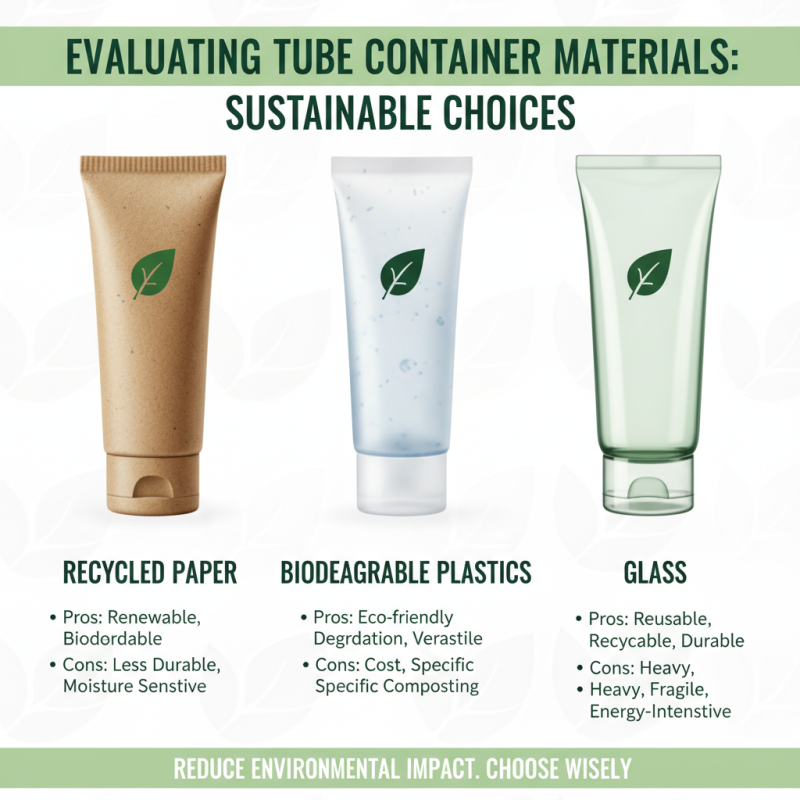
Choosing the right material for tube containers is vital. Sustainable options can help reduce environmental impact. Many materials are available, but not all are eco-friendly. Consider options like recycled paper, biodegradable plastics, and glass. Each material has its pros and cons.
Recycled paper offers lightweight and recyclable solutions. It typically has a lower carbon footprint. However, it may not provide the same barrier properties as other materials. On the other hand, biodegradable plastics can break down over time. Yet, they often require specific conditions to degrade properly. Glass, while recyclable, can be heavier and more fragile.
It's essential to evaluate how well these materials protect your product. Packaging integrity is crucial. Brands often face challenges in balancing sustainability with functionality. It's a complex decision that requires careful thought. Engaging with suppliers can provide more insights into available options. Always question if your choice truly supports sustainability.
Key Factors in Measuring Dimensions for Optimal Product Fit
Selecting the right tube containers for your products requires careful measurement. Accurate dimensions ensure that your products fit snugly without excessive space. This prevents damage during transit and maintains the integrity of the product. Measure the height and diameter of your item. A few millimeters can make a big difference.
Consider the material of the tube containers as well. Different materials offer varying levels of rigidity and protection. A flimsy container might bend, while a sturdy one can withstand pressure. It's also essential to account for the closure systems. Some tubes have flip caps, while others come with screw tops. Each design affects how your product is accessed and protected.
Testing your product in different containers can reveal surprising results. You might find that a slightly larger diameter is more practical for your specific product type. However, always keep aesthetics in mind as well. Customers often judge a product by its packaging. Balancing functionality and design is key for optimal results. Choosing the right tube container is a reflective process that requires attention to detail and thoughtful experimentation.
Product Fit Dimensions for Tube Containers
Assessing Seal Integrity and Durability in Tube Containers
When choosing tube containers, assessing seal integrity and durability is crucial. A reliable seal protects the product inside from contamination and degradation. According to a 2023 packaging industry report, over 30% of product recalls arise from packaging failures. This statistic highlights the importance of investing in high-quality seals for tube containers.
Durability is equally important. Tube containers must withstand varying temperatures and physical stress during transit. A study by the International Packaging Association asserts that the right materials can improve the durability of packaging by up to 40%. Choosing tubes made from robust materials like polyethylene or aluminum may enhance the structure and prevent breakage.
However, achieving the perfect balance between seal integrity and durability can be challenging. Not all materials offer the same level of protection, and some may compromise seal performance. Testing different seal prototypes is advisable to find the most effective solution. A proactive approach allows businesses to identify the best options for their specific needs while minimizing the risk of packaging failures.
Comparing Cost-Effectiveness and Supplier Reliability in Tube Sourcing
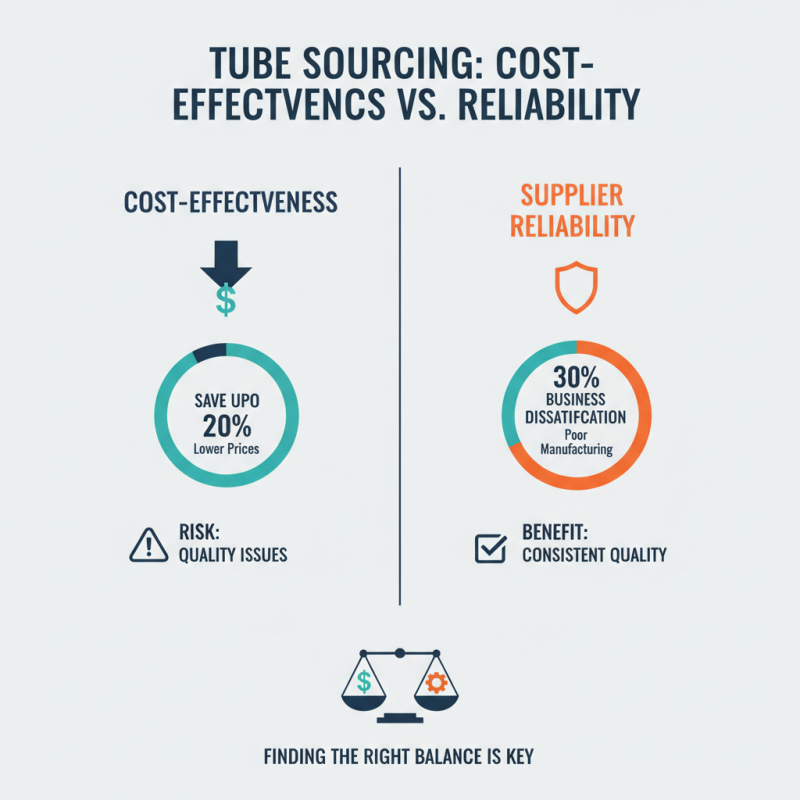
When sourcing tube containers, cost-effectiveness is a significant factor. A recent industry report indicates that companies can save up to 20% by choosing the right suppliers. However, opting solely for the lowest price may lead to quality issues. Not all suppliers offer the same degree of reliability. In fact, around 30% of businesses report dissatisfaction with their tube containers due to poor manufacturing practices.
Supplier reliability is crucial. Evaluating a supplier's history can reveal their commitment to quality. Research suggests that companies with established suppliers experience fewer production delays and higher customer satisfaction. It often takes time to gather data, but diligent research pays off. Trustworthy suppliers usually provide consistent product quality and better customer service.
In the tube packaging industry, the balance of cost and reliability is delicate. While lower prices attract attention, long-term impact on brand reputation must be considered. Companies should analyze comprehensive reviews and testimonials of potential suppliers. Clarity about return policies or warranty options can help mitigate risks. Experimentation with various suppliers might lead to both failures and successes until an optimal partner is found.