How to Choose Eco Friendly Cosmetic Packaging Solutions?
As consumers increasingly prioritize sustainability, the demand for Eco Friendly Cosmetic Packaging has surged. According to a report by Grand View Research, the global green packaging market is expected to reach $600 billion by 2027. This dramatic growth highlights a shifting mindset; more brands are now committed to reducing their environmental impact. However, not all solutions are created equal.
Different materials, such as biodegradable plastics and recycled paper, offer various benefits and drawbacks. Brands must navigate these options carefully. Packaging innovations can reduce waste, but they may also involve trade-offs in cost and durability. Additionally, consumer perception plays a crucial role. A well-designed eco-friendly package can enhance brand image, while misleading claims may backfire and damage credibility.
It's vital to approach Eco Friendly Cosmetic Packaging with a critical eye. Brands should invest in research to understand what truly constitutes eco-friendly practices. Transparency and education are key in building trust. As sustainability remains a priority, the challenge lies in aligning marketing strategies with genuine environmental responsibility.
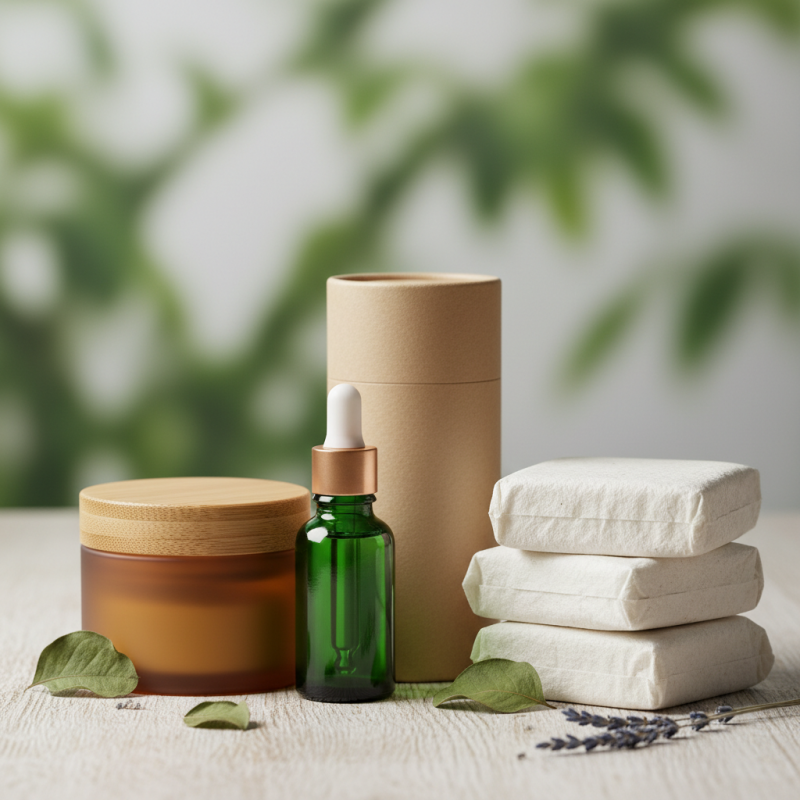
Understanding the Importance of Eco-Friendly Cosmetic Packaging
Eco-friendly cosmetic packaging is crucial for the health of our planet. Traditional packaging materials often contribute to pollution and waste. In contrast, eco-friendly options aim to reduce these impacts. They utilize recyclable, biodegradable, or reusable materials, significantly lowering environmental footprints. Many consumers now prioritize sustainability, demanding responsible packaging solutions from brands.
Choosing the right packaging is not always straightforward. Some so-called eco-friendly materials still require energy-intensive processes. Take compostable plastics, for instance; they break down only in specific environments. It’s essential to assess how and where the packaging will be disposed of. Understanding local waste management practices helps make informed choices. Not all biodegradable options decompose effectively in landfills.
The aesthetics of cosmetic products are also impacted by eco-friendly choices. Sometimes, the look and feel may differ from traditional packaging. Brands must innovate to create attractive designs without compromising sustainability. Striking a balance between beauty and environmental responsibility is a constant challenge. Engaging consumers in this journey is vital for fostering a culture of sustainable beauty.
Eco-Friendly Cosmetic Packaging Solutions
This chart illustrates the percentage of different eco-friendly packaging materials used in the cosmetic industry. It highlights the growing trend towards sustainable options.
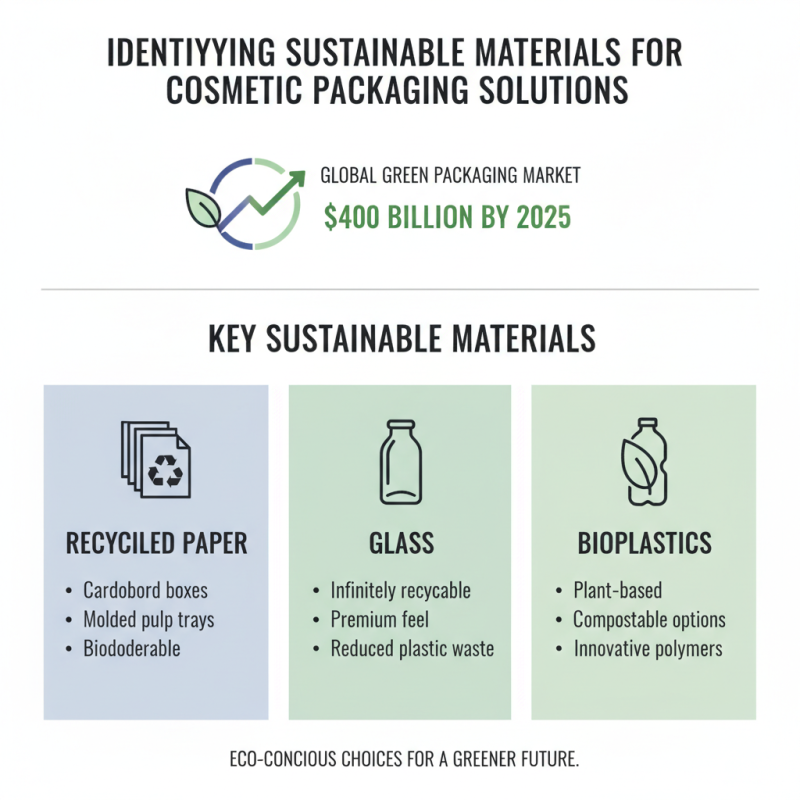
Identifying Sustainable Materials for Cosmetic Packaging Solutions
Choosing sustainable materials for cosmetic packaging is essential in today’s eco-conscious market. Research indicates that by 2025, the global green packaging market is expected to surpass $400 billion. This growth reflects a rising consumer demand for eco-friendly options. Key sustainable materials include recycled paper, glass, and bioplastics.
Recycled paper reduces waste and energy consumption during production. It can be effectively used for labels and boxes. Glass is 100% recyclable and can be reused multiple times without losing quality. However, its weight can increase shipping emissions, highlighting an area for improvement. Bioplastics, made from renewable sources, provide an alternative to conventional plastics. While they offer biodegradability, their compostability in real-world conditions varies.
Several studies show that 74% of consumers are willing to pay more for sustainable packaging. However, many brands still struggle to implement these materials effectively. Challenges include sourcing, cost, and consumer education. Sometimes, the push for sustainability can lead to trade-offs in functionality or price. Critically, brands need to ensure their sustainable claims are backed by reliable data to maintain consumer trust.
Evaluating the Supply Chain for Eco-Friendly Packaging Options
Choosing eco-friendly cosmetic packaging involves thorough evaluation of the supply chain. Start by assessing the materials used. Look for biodegradable options, such as plant-based plastics or recycled materials. This choice minimizes environmental impact while maintaining product integrity.
During the supply chain assessment, it’s crucial to consider transportation methods. Reducing carbon footprints during shipping is essential. Opt for suppliers that prioritize local sourcing. This not only decreases emissions but also supports local economies.
Tips for making informed choices: Engage with suppliers for transparency. Ask about their sourcing practices and certifications. Evaluate their commitment to sustainability. Find partnerships that share your vision for a greener future. Careful examination of each link in the supply chain ensures more responsible packaging choices.
Design Considerations for Reducing Environmental Impact
Choosing eco-friendly cosmetic packaging requires careful design considerations to minimize environmental impact. According to a 2021 report by the Sustainable Packaging Coalition, 70% of consumers now prefer products with sustainable packaging. This shift is changing how brands approach their packaging solutions.
One critical aspect is the selection of materials. Biodegradable and recyclable materials are becoming essential. For instance, using plant-based plastics can reduce reliance on fossil fuels. However, the durability and cost-effectiveness of these materials often spark debate. Many brands are hesitant to transition fully due to slightly higher costs or concerns about product safety during transport.
Another consideration is the packaging design itself. Simple designs lead to less waste and better recycling rates. Packaging that uses fewer materials can also attract environmentally conscious consumers. Yet, balancing aesthetics and sustainability can be challenging. Some brands struggle with creating visually appealing designs that do not rely on non-recyclable components. As the industry evolves, continuous innovation and consumer education will be crucial for advancing sustainable packaging solutions.
How to Choose Eco Friendly Cosmetic Packaging Solutions? - Design Considerations for Reducing Environmental Impact
| Packaging Type |
Material |
Recyclability |
Biodegradability |
Sourcing |
Impact on Environment |
| Glass Jar |
Recycled Glass |
Yes |
No |
Sustainable |
Low |
| Bioplastic Tube |
PLA (Corn Starch) |
Yes |
Yes |
Renewable |
Moderate |
| Kraft Paper Box |
Recycled Paper |
Yes |
Yes |
Sustainably Sourced |
Low |
| Aluminum Can |
Recycled Aluminum |
Yes |
No |
Sustainable |
Moderate |
| Recycled Plastic Bottle |
RPET |
Yes |
No |
Partially Recycled |
Moderate |
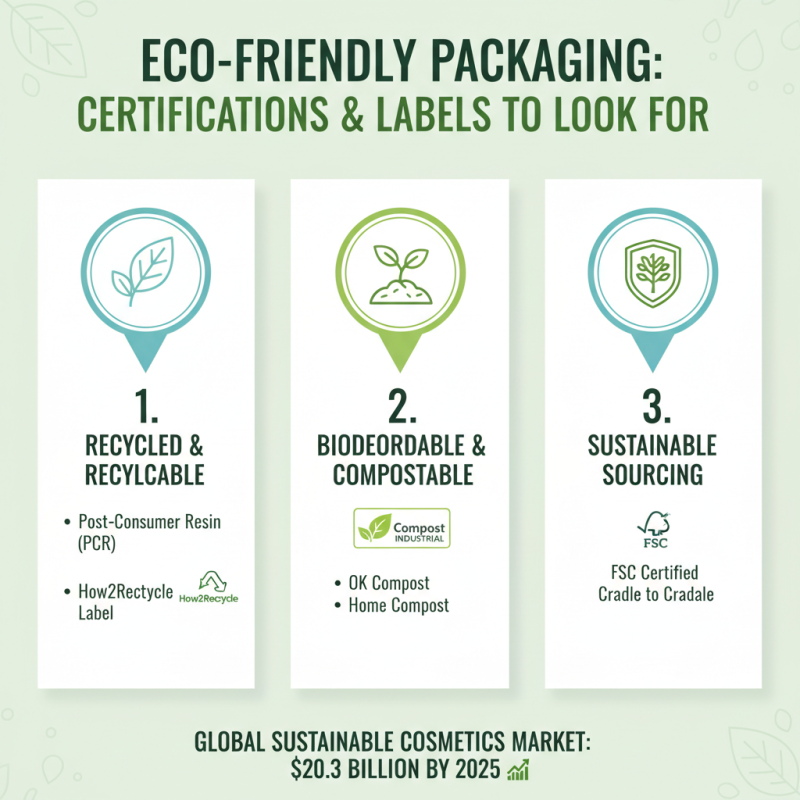
Certifications and Labels to Look for in Eco-Friendly Packaging
When choosing eco-friendly cosmetic packaging, it's essential to pay attention to certifications and labels. These indicators assure consumers that products align with sustainable practices. The Global Sustainable Cosmetics Market is projected to reach $20.3 billion by 2025, showing a growing trend toward green packaging solutions.
Look for certifications like the FSC (Forest Stewardship Council) label. This label ensures that materials come from responsibly managed forests. Additionally, the Cradle to Cradle Certification indicates a product's lifecycle is environmentally sound. Think about the Compostable label too; this highlights materials that break down safely in the environment. Yet, it's worth noting that not all certifications are equally impactful. Some may lack rigorous standards.
One must also consider the environmental impact of packaging production. Research shows that sustainable packaging can reduce overall carbon emissions by up to 30%. However, not all brands communicate these benefits clearly. Transparency is essential, yet some companies mislead consumers with vague claims. This can lead to confusion about what eco-friendly truly means. Therefore, being informed and critical is crucial when assessing cosmetic packaging options.