Top Cosmetic Packaging Trends Transforming the Beauty Industry Today?
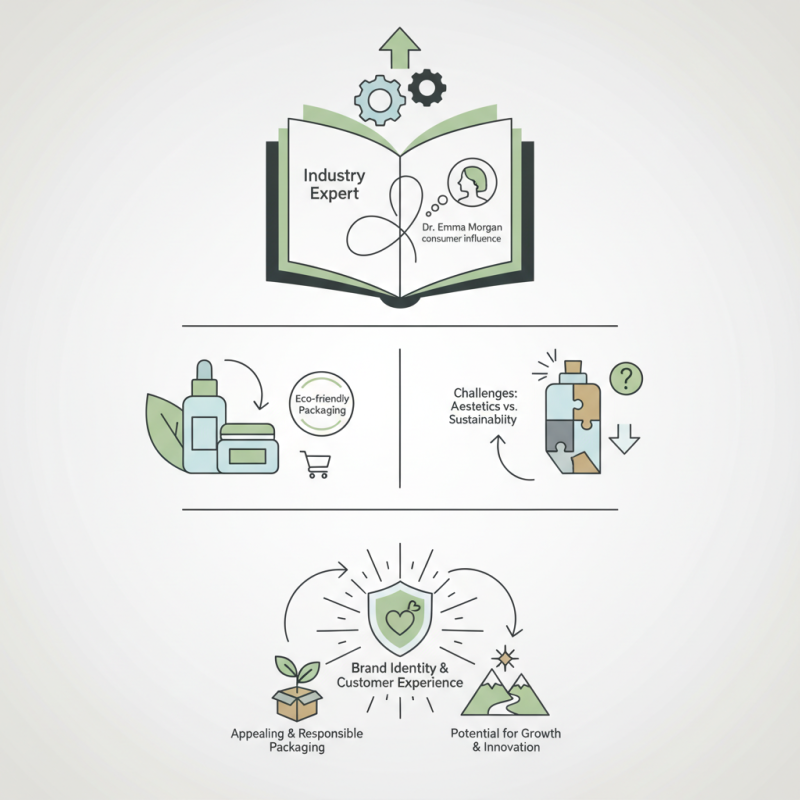
In the rapidly evolving world of beauty, "Cosmetic Packaging" is reinventing itself. Industry expert, Dr. Emma Morgan, states, “The packaging is as important as the product inside.” This highlights how customers are influenced by design and functionality.
Today, brands are exploring innovative materials and sustainable practices. Eco-friendly packaging is not just a trend; it is a consumer demand. However, some brands struggle to balance aesthetics with sustainability. Not all solutions are perfect, and some packaging designs fail to fully consider environmental impacts.
The impact of "Cosmetic Packaging" extends beyond mere appearance. It shapes brand identity and customer experience. As the industry transforms, the focus must remain on creating packaging that is both appealing and responsible. The road ahead is filled with challenges, but potential for growth exists. Brands must adapt and innovate thoughtfully to meet evolving consumer expectations.
The Rise of Sustainable Materials in Cosmetic Packaging Solutions
The beauty industry is witnessing a significant shift towards sustainability. The demand for eco-friendly packaging is rapidly increasing. Industry reports indicate that over 70% of consumers prefer brands that use sustainable materials. This cultural change reflects a deeper awareness of environmental issues. The packaging used in cosmetics plays a vital role in this transformation.
Sustainable materials, such as recycled plastics and biodegradable substances, are becoming more common. For instance, a recent study found that nearly 55% of beauty companies plan to invest in sustainable packaging by 2025. However, there are challenges. The production and cost of sustainable materials can be higher than traditional options. Brands may face setbacks in sourcing these materials, affecting their supply chains.
Consumers are becoming more vocal about their preferences. This change is pushing brands to innovate and rethink their packaging strategies. Yet, many brands struggle with fully adopting sustainable practices. Transitioning to eco-friendly materials requires investment and time. Striking a balance between aesthetics and sustainability is not easy, but it’s essential for progress.
Innovative Designs: How Cosmetic Packaging is Embracing Minimalism
The beauty industry is witnessing a significant shift towards
minimalism in cosmetic packaging.
Many consumers now prefer clean, simple designs over flashy, complicated ones. According to a recent study by
Packaging Insights, minimalist designs can enhance brand loyalty by 50%.
Brands embracing this trend often focus on eco-friendly materials. This not only appeals
to environmentally conscious consumers but also reduces production costs.
In a cluttered market, standing out is essential. Minimalist packaging helps brands communicate their identity effectively.
Simple colors and clean lines create an elegant aesthetic. However, some brands struggle to balance
simplicity with functionality. It’s vital to ensure that the
packaging still protects the product well. Many consumers appreciate transparency regarding ingredient sourcing
and production processes. Yet, striking this balance can be challenging.
Reports have shown that over 70% of consumers are influenced
by packaging during purchasing decisions. Clear, minimal packaging can convey quality and trust. However,
overemphasizing simplicity might lead to designs that lack differentiation. Brands must carefully evaluate their
approach to ensure their packaging fulfills both aesthetic desires and functional needs. Otherwise, they risk
blending into the background of a saturated market.
Smart Packaging Technologies Enhancing Consumer Engagement in Beauty
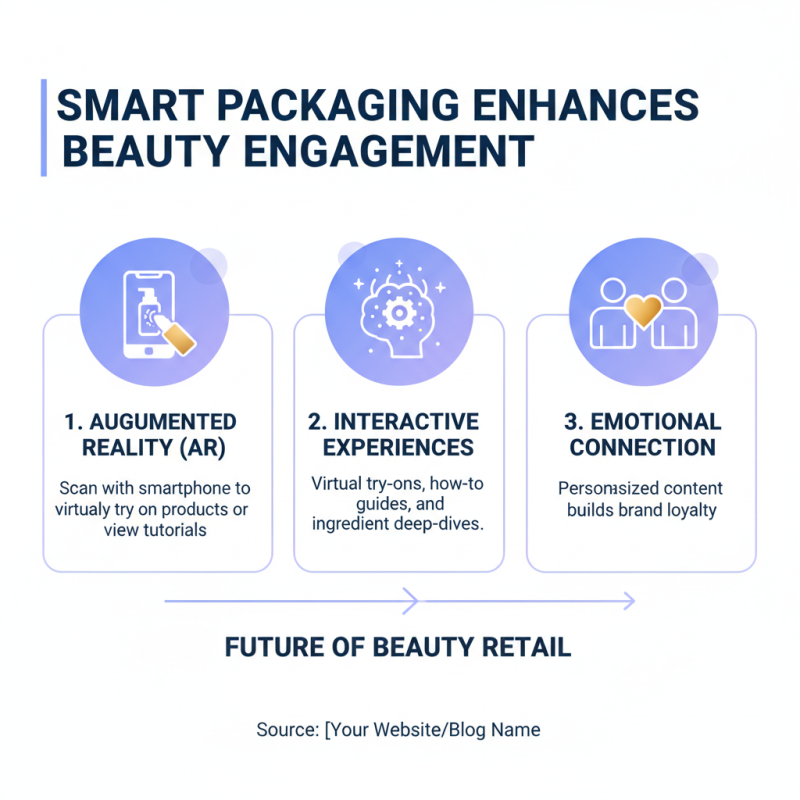
Smart packaging technologies are reshaping the beauty industry by enhancing consumer engagement. One significant trend is the integration of augmented reality (AR). This allows customers to interact with products before they purchase. For instance, users can scan packaging with their smartphones to see tutorials or product demonstrations. It’s a simple way to connect emotionally with consumers.
Another trend is the use of QR codes on packaging. These codes provide instant access to detailed product information. Shoppers can learn about ingredients, sourcing, and sustainability efforts with a quick scan. This transparency builds trust between brands and consumers. However, not every brand utilizes this technology effectively. Some QR codes lead to dead links or unclear content.
Sustainability also plays a crucial role. Eco-friendly materials and refillable packaging are gaining popularity. They create a sense of responsibility and community among consumers. Yet, some brands struggle to balance sustainability with cost-effectiveness. This often results in subpar packaging that feels cheap. The quest for the right materials continues, highlighting the industry's need for improvement and innovation.
The Impact of E-commerce on Cosmetic Packaging Trends and Adaptations
E-commerce has dramatically influenced cosmetic packaging trends. As online sales surge, brands are reevaluating how products are presented. The shift towards digital platforms means packaging must not only appeal visually but also perform reliably during transit. Lightweight materials and secure closures are becoming essential to minimize damage during shipping.
Sustainable packaging is gaining traction. Consumers are increasingly eco-conscious, favoring brands that adopt green practices. Brands are experimenting with biodegradable materials and refillable containers. Yet, there is a challenge in balancing sustainability with cost-effectiveness. Some brands struggle to find cost-efficient, eco-friendly solutions that also meet consumer expectations for aesthetics.
Personalization also plays a critical role. Shoppers want unique experiences, fueling demand for bespoke packaging options. Adaptations such as customizable designs or formats can enhance brand loyalty. Nevertheless, achieving this level of personalization can be complex and costly. Not every brand can afford to invest in advanced technologies or bespoke designs. Companies must reflect on how to align these trends with their operational capabilities.
Top Cosmetic Packaging Trends Transforming the Beauty Industry Today
| Trend |
Description |
Impact of E-commerce |
Sustainability Factor |
| Minimalist Designs |
Simple and elegant packaging that highlights the product. |
Enhances online visibility and reduces visual clutter. |
Often uses less material, promoting eco-friendliness. |
| Recyclable Materials |
Use of materials that can be recycled post-consumer use. |
Appeals to eco-conscious consumers shopping online. |
Significant improvement in sustainability metrics. |
| Multi-functional Packaging |
Packaging that serves more than one purpose, such as a container that can be reused. |
Increases consumer value, encouraging online purchases. |
Often designed for longevity, reducing waste. |
| Personalized Packaging |
Customization options for consumers to personalize their products. |
Drives engagement and enhances the shopping experience online. |
Catering to individual needs can lead to waste reduction. |
| Smart Packaging |
Integration of technology for tracking and interactivity. |
Enhances customer engagement and product authenticity online. |
Promotes efficient use of resources through data collection. |
Personalization in Packaging: Catering to Consumer Preferences and Needs
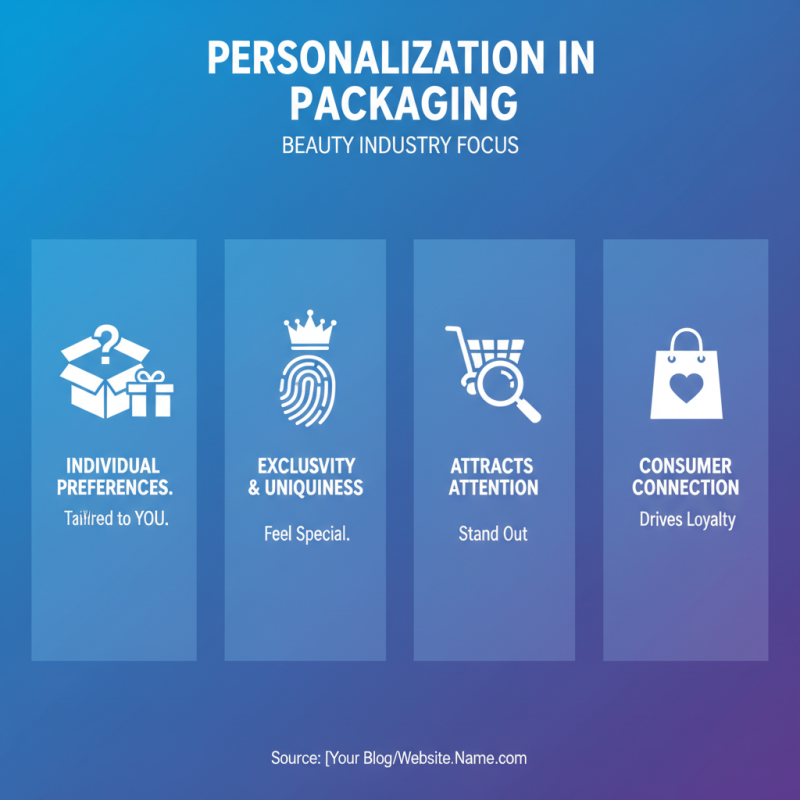
Personalization in packaging is transforming the beauty industry. Brands now focus on individual consumer preferences. Customization creates a feeling of exclusivity. Consumers want to feel special. Unique designs attract attention on crowded shelves.
Many companies explore various materials and designs. For instance, eco-friendly options resonate with environmentally conscious consumers. Sleek, minimalist packaging often stands out for its elegance. However, not all trends are universally accepted. Some consumers prefer bright colors and bold designs. It’s a balancing act for brands.
Personalized packaging can increase engagement. Consumers appreciate thoughtful details, from texture to color choice. Yet, some packaging may miss the mark. It may not resonate or cater to diverse demographics. Brands must remain vigilant and adaptable. Understanding consumer feedback is crucial for success. The journey is ongoing, with room for improvement.