
How to Recycle Plastic Bottles Effectively?
Plastic bottles are a common sight in our daily lives. They are convenient but can also pose significant environmental challenges. Recycling these bottles effectively is crucial for reducing plastic waste. Every year, millions of plastic bottles end up in landfills and oceans. This not only harms wildlife but also affects our health.
To recycle plastic bottles properly, we must first understand the process. Simply tossing them in the recycling bin is not enough. Many people overlook important steps. Rinsing bottles before recycling is essential. Contaminants can compromise the recycling process. Additionally, checking for local recycling guidelines is important. Not all facilities accept the same types of plastics.
It’s time to reflect on our habits. We can’t ignore the impact of our choices. Changing how we handle plastic bottles can lead to positive change. Let's work together to make recycling effective and responsible.
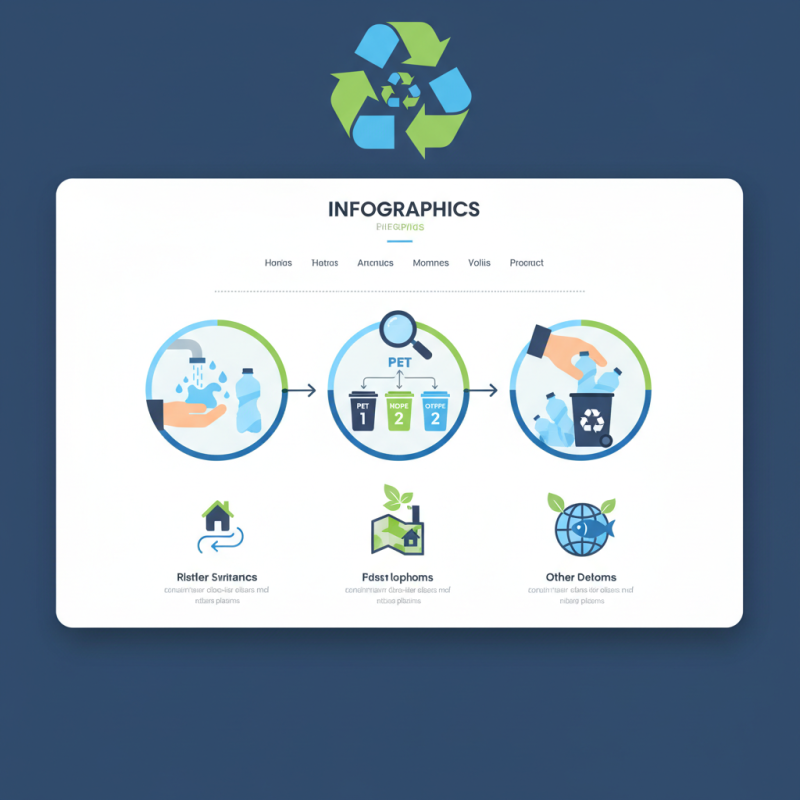
Understanding the Types of Plastic Bottles and Their Recycling Codes
Plastic bottles are everywhere, but not all are the same. They come in various types, classified by recycling codes. Understanding these codes is crucial for effective recycling. The most common types include PETE (1), HDPE (2), and PVC (3). PETE is widely used for soft drink bottles and is often recyclable. However, only 28% of PET bottles are actually recycled, according to the National Recycling Coalition.
HDPE is found in milk jugs and detergent bottles. It has a higher recycling rate, at approximately 30%. But PVC bottles are less commonly recycled due to the complexity of the material. Many consumers do not know how to identify these codes, leading to confusion. This misunderstanding can hinder the recycling process.
Improper disposal often results in contamination, rendering whole batches unusable. The recycling rates remain low due to a lack of awareness and infrastructure. While some communities offer streamlined recycling programs, others struggle. The disparity in recycling education impacts overall effectiveness. Engaging more individuals in proper sorting and understanding better contributes to a circular economy.
Importance of Properly Cleaning Plastic Bottles Before Recycling
Cleaning plastic bottles properly is crucial before recycling. Food residues can contaminate recycling streams. This leads to more waste in landfills. Additionally, dirty bottles may be rejected by recycling centers.
To clean your bottles effectively, rinse them immediately after use. Water and a little soap work well. If you have tougher residues, soaking in warm water can help. It’s important to remove labels too. They often aren't recyclable and can cause issues during processing.
Tip: Consider using a scrub brush for deeper cleaning. This ensures you get every corner. Also, don’t forget to let the bottles dry completely before recycling. Moisture can attract bacteria, leading to more contamination. Pay attention to these details for a better recycling outcome.
Importance of Properly Cleaning Plastic Bottles Before Recycling
Steps for Efficiently Sorting Plastic Bottles at Recycling Centers
When it comes to recycling, sorting plastic bottles correctly is crucial. Many recycling centers accept different types of plastics, but not all are equally recyclable. Start by checking local guidelines. They often specify which plastics are accepted and any preparation needed.
Tips for effective sorting: always rinse out bottles. Residual liquids can contaminate the recycling bin. Remove caps, as they are made from different materials. Flatten bottles if possible. This saves space and makes transportation easier for recycling centers.
Be mindful of your choices. Are you using recyclable materials? Reflect on your consumption. Often, bottles for drinks take up most of our waste. Consider refilling containers to reduce this waste. Remember, small changes make a big difference.
How to Recycle Plastic Bottles Effectively? - Steps for Efficiently Sorting Plastic Bottles at Recycling Centers
| Step | Description | Material Type | Recyclability | Notes |
|---|---|---|---|---|
| 1 | Collect plastic bottles | PET | Yes | Rinse before recycling |
| 2 | Check local guidelines | HDPE | Yes | Varies by region |
| 3 | Remove caps and labels | PVC | No | Not recyclable in most areas |
| 4 | Sort by resin type | LDPE | Limited | Check local facilities |
| 5 | Drop off at recycling center | PP | Yes | Clean and sorted |
Common Misconceptions About Recycling Plastic Bottles
Many people believe that recycling plastic bottles is straightforward. However, misconceptions linger. One common myth is that all types of plastics can be recycled. In reality, not every plastic bottle is accepted in curbside programs. Some plastics are too complex or contaminated.
Another misconception is that rinsing bottles isn’t necessary. While it may seem trivial, residues can spoil recycling batches. This can lead to entire loads being rejected. Simply dumping the bottle may not suffice. Thorough rinsing improves the chances of successful recycling.
Also, some think that recycling ends with dropping bottles in bins. This isn’t the case. It’s crucial to understand the full lifecycle. Bottles often require a long journey to processing plants. Awareness can inspire better recycling habits.
Tips for Reducing Plastic Bottle Waste in Daily Life
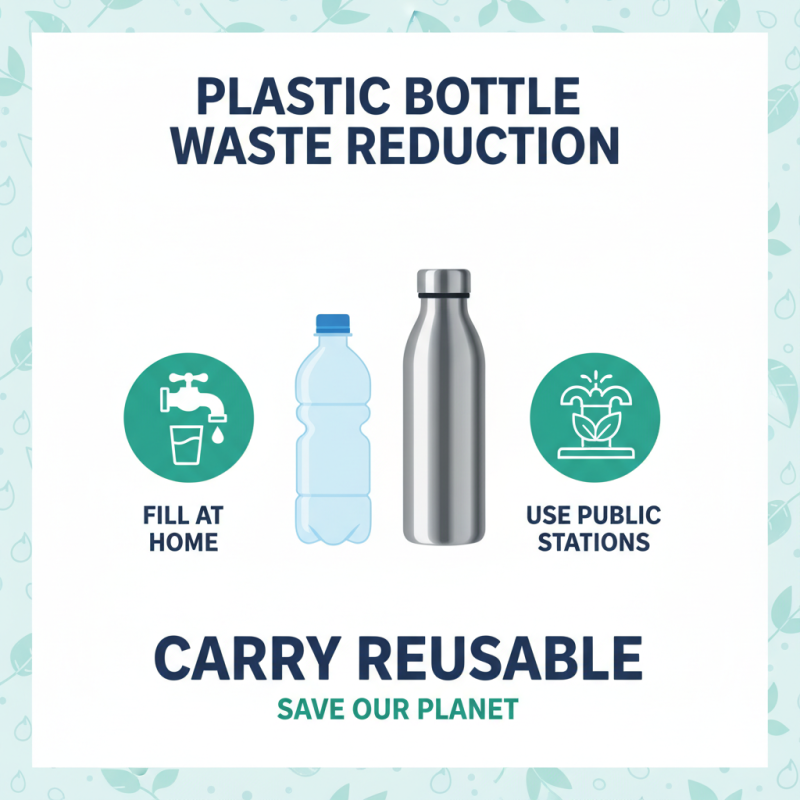
Reducing plastic bottle waste is crucial. We can simplify our daily habits to make a difference. Start by carrying a reusable water bottle. It reduces the need for single-use plastics. Filling up at home or using public water stations helps as well.
Consider alternatives to bottled drinks. Juices and teas can be made fresh at home and stored in glass containers. This not only cuts plastic but also improves your diet. Look for local bulk stores that offer drinks in larger, reusable containers.
Keep in mind that recycling alone is not enough. Many bottles still end up in landfills. Educate yourself and others about proper recycling methods. Rinse bottles before recycling. Check local guidelines, as they can vary greatly. Change is a process, and every action counts. Sometimes, we forget. Reflect on your habits and make small adjustments. Every conscious choice matters.
Related Posts
-
2025: How to Recycle Plastic Bottles Effectively for a Greener Future
-
How to Recycle Plastic Bottles Effectively in 2026?
-
Unlocking Quality: Essential Supplier Sourcing Tactics for Best Plastic Bottle Containers
-
Finding the Right Supplier for Best Plastic Bottle Packaging Tips and Checklist Guide
-
Maximizing Sustainability: Innovative Trends in Plastic Bottle Packaging Design
-
2025 Top Trends in Plastic Bottle Packaging You Need to Know