How to Choose Packaging for Glass Bottles in 2026?
Choosing packaging for glass bottles in 2026 will require more than attractive shelf presentation. The right solution must protect the bottle, control transport damage, support recycling goals, and fit changing customer expectations. A bottle may look strong, yet one loose divider can create chips, scratches, or costly breakage during delivery. Packaging For Glass Bottles should therefore begin with the bottle itself. Consider its weight, neck shape, closure, surface finish, filling temperature, and distribution distance. A small 250-millilitre bottle needs different protection from a heavy embossed bottle. Details matter.
Scott DeFife, President of the Glass Packaging Institute, describes the material simply: “Glass packaging is a healthy, sustainable packaging choice.” That principle is useful, but it should not become an excuse for careless design. Recyclability does not remove the need for efficient material use. In 2026, brands should compare molded pulp inserts, corrugated partitions, reusable crates, and protective paper systems. Each option has trade-offs. Molded pulp can cushion well, but moisture may weaken it. Corrugated packaging is flexible, though oversized boxes waste space. Reusable crates reduce repeated waste, yet reverse logistics can be difficult. Sometimes, the cheapest package creates the highest damage rate. That is easy to overlook.
A dependable selection process should include vibration testing, compression testing, drop testing, and real route trials. Test the corners. Test the wet carton. Ask whether workers can pack the bottle quickly without confusion. Packaging For Glass Bottles succeeds when protection, cost, appearance, and environmental performance work together. Not perfectly. Practically.
Define the Packaging Requirements for Glass Bottles
How to Choose Packaging for Glass Bottles in 2026?
Define the Packaging Requirements for Glass Bottles
Start with the bottle’s real journey, not its appearance. Record fill volume, neck finish, closure torque, liquid density, acidity, alcohol content, and storage temperature. A 500 ml bottle for chilled beverages needs different protection from a small bottle shipped through hot warehouses. Measure drop height, vibration exposure, pallet stacking, and transport duration. These details determine the carton grade, dividers, cushioning, and sealing method.
Use testing standards where possible. ISTA distribution tests can simulate drops, compression, and vibration before commercial shipment. Glass thickness alone is not a safety plan. Inspect base impact points, shoulder stress, and closure alignment. A practical trial should include filled bottles, realistic labels, and actual pallet patterns. Empty bottles can hide failure.
Sustainability also needs a measurable requirement. The European Federation of Glass Recyclers reported an 80.1% glass packaging collection rate in Europe in 2022. The U.S. Environmental Protection Agency reported that about 25% of glass containers were recycled in 2018. These figures vary widely by market. Specify recycled content, package weight, and local recovery conditions instead of using vague claims. Ask whether the protective material can be separated easily. Some “eco” packs still create messy sorting problems. I have seen teams optimize carton weight, then overlook bottle breakage during the final delivery. That trade-off deserves another test.
How to Choose Packaging for Glass Bottles in 2026?
Define the Packaging Requirements for Glass Bottles
These practical design targets help reduce breakage during handling and transport. Use individual cushioning, separation between bottles, and clearance from the carton walls. Final specifications should be validated through drop, vibration, compression, and moisture testing for the actual bottle and distribution route.
Planning reference: common protective-packaging engineering practice aligned with distribution-test methods such as ASTM D4169 and ISTA procedures. Values are starting targets, not universal regulatory limits.
Compare Protective Packaging Materials and Structural Designs
How to Choose Packaging for Glass Bottles in 2026?
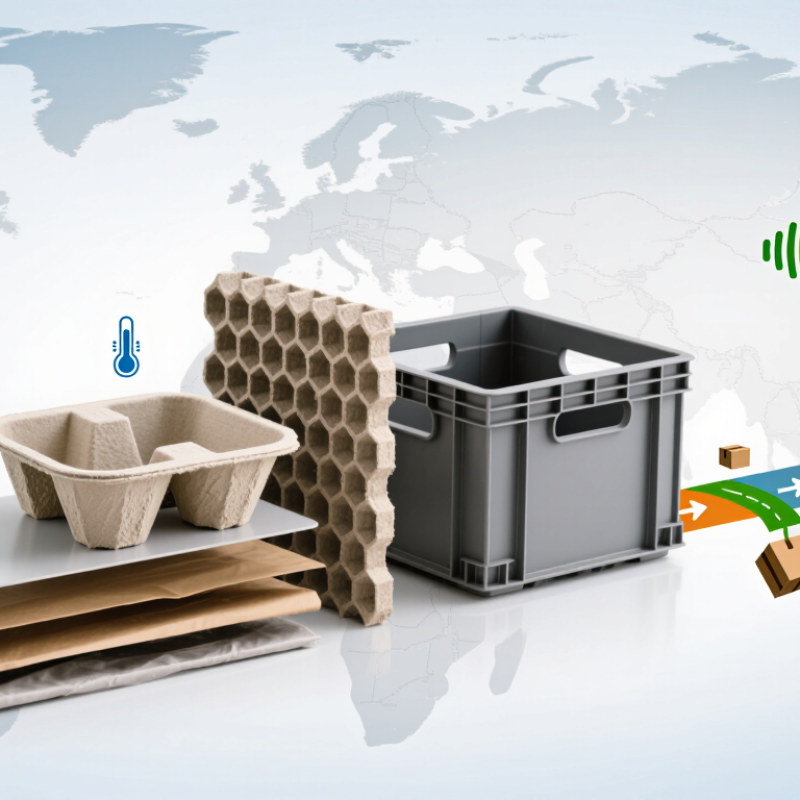
Choosing packaging for glass bottles requires more than selecting a recyclable material. The package must control impact, vibration, pressure, and movement during handling. Corrugated inserts are lightweight, affordable, and easy to print. However, they may weaken when exposed to moisture. Molded pulp offers good cushioning and a lower-plastic profile, but its fit can vary between production batches. Foam provides strong shock absorption and precise protection. Its disposal and recycling performance require closer review.
Structure matters as much as material. A cell divider keeps bottles separated, while a neck brace limits sideways movement around the most fragile area. Suspension designs can protect heavy bottles by keeping them away from the outer carton. Honeycomb pads suit flat surfaces, but they may not protect curved shoulders well. Void fill should stop movement without creating constant pressure on the glass.
Test the complete pack, not just the insert. Use drop, vibration, compression, and temperature-humidity trials that reflect real shipping routes. A snug package is not always a safer package. Too much pressure can damage thin glass. Too little support allows dangerous movement. Recycled materials may also behave differently after storage. That detail is easy to miss. Small pilot shipments can expose weak corners, loose caps, or crushed dividers before wider distribution. No design is perfect. Packaging decisions should record failures, not hide them.
How to Choose Packaging for Glass Bottles in 2026? - Compare Protective Packaging Materials and Structural Designs
| Protective Material | Typical Density / Construction | Primary Protection Mechanism | Cushioning and Shock Performance | Moisture Resistance | Recyclability / End-of-Life | Best Structural Designs | Typical Bottle Applications | Key Limitations | Overall Suitability |
|---|---|---|---|---|---|---|---|---|---|
| Corrugated Fiberboard | Single-wall, double-wall, or triple-wall board; common flute profiles range from fine flutes to coarse flutes. Typical basis weight: approximately 400–1,200 g/m² depending on construction. | Fluted paper absorbs impact while linerboards provide stacking strength and load distribution. | Good overall protection when combined with dividers, pads, or fitted inserts. Double-wall structures generally provide higher compression and puncture resistance than single-wall structures. | Low to moderate without coatings; strength decreases when exposed to sustained high humidity or direct water. | Widely recyclable through paper-recycling systems when clean and free from incompatible laminates or heavy contamination. | Partitioned carton, die-cut insert, full-overlap carton, regular slotted carton, and double-wall shipper. | Single bottles, multi-bottle packs, e-commerce shipments, and palletized distribution. | Requires accurate internal fit; corners and bottle necks may need additional protection against concentrated impacts. | High |
| Molded Pulp | Formed cellulose fiber trays, end caps, or clamshells; commonly made from recycled paper fiber or molded agricultural fiber blends. | Contoured cavities hold the bottle away from carton walls and distribute impact loads over a larger surface area. | Good vibration and impact control when the cavity closely matches the bottle. Performance depends strongly on wall thickness, fiber density, and fit. | Moderate to low unless treated; prolonged moisture can soften the fiber and reduce dimensional stability. | Generally recyclable with paper-based packaging where local collection systems accept molded fiber; usually compostable only under suitable certified conditions. | Full-bottle molded tray, two-piece end caps, neck-and-base supports, and nested bottle separators. | Premium bottles, retail multipacks, gift sets, and shipping packs that require a molded presentation. | Higher tooling cost than simple die-cut board; fiber dust and moisture sensitivity may require design controls. | High |
| Expanded Polystyrene Foam | Closed-cell foam, commonly available in approximate densities of 15–35 kg/m³ for protective packaging. | Cell collapse absorbs impact energy and provides strong blocking and bracing around the bottle. | Very good impact and vibration protection at low weight; suitable for fragile bottles and higher drop-risk distribution. | Good resistance to water absorption, although exposed surfaces may retain dirt and can be affected by some solvents. | Technically recyclable in some locations, but collection availability is limited and loose foam is often not accepted in curbside programs. | Custom-molded nest, block-and-brace insert, and two-piece end-cap system inside a corrugated shipper. | High-value, heavy, unusually shaped, or export-shipped glass bottles requiring strong cushioning. | Poor recycling access in many regions; relatively bulky storage and limited compatibility with sustainability targets. | Very High Protection |
| Expanded Polyethylene Foam | Flexible or semi-rigid closed-cell foam; typical densities are approximately 25–100 kg/m³ depending on grade and required firmness. | Elastic compression and recovery provide cushioning, surface protection, and separation from adjacent bottles. | Very good for scuff prevention, vibration isolation, and repeated handling; thicker sections improve drop protection. | Very good moisture resistance because of its closed-cell structure. | Recyclability depends on local acceptance and whether the foam is clean and free from laminated materials; often requires specialized collection. | Sleeve, wrap, bottle divider, end cap, formed nest, and foam-in-carton system. | Bottles with sensitive surfaces, reusable transport cases, and shipments exposed to humidity or condensation. | Higher material cost than paper-based inserts; petroleum-derived material may conflict with fiber-only packaging goals. | Very High Protection |
| Honeycomb Paperboard | Paper facings bonded to a hexagonal paper core; commonly used as pads, blocks, or wraparound protective structures. | The cellular core provides lightweight compression strength and distributes impact over a broad area. | Good edge and panel protection; cushioning is lower and less predictable than foam unless multiple layers or engineered end caps are used. | Low to moderate; vulnerable to prolonged water exposure and high humidity. | Usually compatible with paper recycling when uncoated and free from non-paper attachments. | Wraparound sleeve, corner protector, layered pad, bottle divider, and end-cap assembly. | Lightweight retail bottles, secondary packaging, and shipments where low plastic content is a priority. | Limited moisture resistance and less suitable for concentrated point impacts around narrow necks or shoulders. | Medium–High |
| Wooden Crate or Plywood Case | Solid wood slats, plywood panels, or hybrid timber structures; strength depends on panel thickness, joints, and internal blocking. | Rigid outer structure resists crushing, puncture, and stacking loads while internal dividers prevent bottle-to-bottle contact. | Very good structural protection, but wood alone provides limited cushioning; foam, fiber, or paper pads are normally required inside. | Moderate; wood can absorb moisture and may require treatment, lining, or controlled storage conditions. | Reusable and repairable; recycling depends on coatings, fasteners, contamination, and local wood recovery infrastructure. | Rigid crate with dividers, plywood case with blocking, skid-mounted case, and export case with internal cushioning. | Heavy bottles, industrial shipments, long-distance transport, and high-value products requiring strong outer protection. | Heavy, costly to ship, slower to assemble, and subject to import or phytosanitary requirements for certain wood packaging. | Very High Protection |
| Paper Honeycomb Wrap / Molded Paper Wrap | Expandable paper-cell wrap or layered molded paper sheets designed to conform around bottle surfaces. | Interlocking paper cells create separation and absorb localized impacts around the bottle body. | Good for surface protection and moderate drop protection; neck and base areas may need separate reinforcement. | Low to moderate; performance declines when saturated or exposed to repeated humidity cycles. | Generally recyclable with paper packaging if uncoated, dry, and free from plastic films or adhesive contamination. | Individual wrap, wrap-and-carton, multi-bottle divider, and paper end-cap combination. | Retail and e-commerce shipments seeking plastic reduction and compact flat-pack storage. | Less effective against severe drops, heavy compression, and high-moisture logistics conditions. | Medium |
Evaluate Sustainability, Cost, and Supply Chain Performance
How to Choose Packaging for Glass Bottles in 2026?
Glass packaging decisions should begin with evidence, not appearance. The FEVE Glass Packaging Circularity report states that every 10% increase in recycled glass can reduce furnace energy use by approximately 2.5–3%. It can also lower carbon emissions by about 5%. Specify a high-cullet bottle where local collection systems can supply consistent material. Sustainability depends on the full loop.
Cost requires more than the purchase price. Glass is heavier than most alternatives, so transport distance, pallet density, and breakage rates can change the calculation. A 750-millilitre bottle may need thicker dividers, stronger cartons, and careful stacking. Test compression strength and vibration resistance before approving a lighter design. Lightweighting can reduce freight emissions, but excessive material reduction may increase damage claims.
Supply chain performance should be measured through lead time, minimum order quantities, defect rates, and recovery options. The 2023 World Bank Logistics Performance Index highlights reliability and shipment timeliness as core logistics factors. Ask suppliers for furnace location, recycled-content evidence, backup capacity, and delivery records. Use ISO 14040 principles when comparing lifecycle impacts. One dashboard is not enough. Local data may contradict a global average. Review six months of actual shipments, then challenge the assumptions before signing a long-term packaging specification.
Select Packaging Based on Bottle Type and Distribution Conditions
Choosing packaging for glass bottles begins with the bottle itself. A narrow perfume-style bottle needs different support than a heavy, wide food jar. Measure height, diameter, neck shape, and empty weight before selecting materials. I have seen cartons fail because teams measured the body but ignored the shoulder. That small mistake creates movement inside the box.
For short local deliveries, a fitted corrugated insert may provide enough protection. Use dividers when bottles travel side by side. For parcel networks, add cushioning around the base, shoulders, and cap. These points often absorb the first impact. A double-wall carton can help with stacking pressure, especially on mixed pallets. Keep internal space limited. Too much filler lets bottles move; too little leaves glass exposed. Test a packed carton with drop, vibration, and compression checks. Real handling is rougher than a clean warehouse trial.
Distribution conditions should guide the final choice. Refrigerated routes may create condensation, weakening some paper surfaces and labels. Long-distance shipping needs moisture-resistant outer packaging and clear orientation control. For retail shelves, packaging should open cleanly without forcing staff to lift heavy glass awkwardly. Sustainable materials are useful, but not automatically safer. Recycled inserts can vary in stiffness. Check each production batch. I would also review breakage data after launch, rather than trusting one successful test. Packaging decisions improve when evidence replaces assumption.
Test, Validate, and Optimize the Final Packaging Solution
How to Choose Packaging for Glass Bottles in 2026?
Test, Validate, and Optimize the Final Packaging Solution
Glass bottle packaging should be tested with the actual bottle, closure, label, and filled product. A sample carton may perform well, yet fail when moisture softens its fibers. Practical trials should include drop tests, vibration, compression, and temperature changes. Test different heights and impact angles. Small details matter.
Use packaging that matches the real distribution route. Simulate warehouse stacking, vehicle movement, and repeated handling. Measure chipped glass, loose closures, scuffed labels, and movement inside the box. A simple inspection sheet improves reliability. Record every failure, even minor ones. Minor damage often predicts larger losses.
Validation should continue on the production line. Check packing speed, insert placement, sealing quality, and worker handling. A design that protects well but slows production may not be practical. Optimize the internal fit, cushioning thickness, carton strength, and material use together. Avoid excessive empty space; it can increase movement and shipping costs. However, reducing protection too quickly is risky.
Results can be imperfect. A laboratory test does not fully represent rain, poor stacking, or rushed unloading. Repeat critical tests with several packaging batches. Review the data with quality, logistics, and production teams. Change one variable at a time when possible. That makes the real cause easier to identify. A reliable final solution is not merely strong; it is repeatable, measurable, and workable at scale.
Related Posts
-
Top 10 Glass Bottle Packaging Solutions for Industry Buyers?
-
How to Choose the Right Packaging for Glass Bottles for Maximum Protection and Appeal
-
The Ultimate Guide to Sustainable Packaging Solutions for Glass Bottles
-
2026 Top Packaging For Glass Bottles What Are The Best Options?
-

What is a Plastic Tube and Its Common Uses?
-
Why is Toothpaste Packaging Important for Global Buyers?