Why Choose Lotion Tubes for Your Packaging Needs?
In the ever-evolving packaging industry, Lotion Tubes have emerged as a preferred choice for numerous brands. According to a recent report by Packaging Trends, the demand for flexible packaging like lotion tubes has increased by 24% over the past three years. This growth is driven by their convenience, efficiency, and eco-friendliness. Experts highlight that Lotion Tubes effectively reduce waste and can be more easily recycled compared to traditional packaging.
Dr. Lisa Sanders, a renowned expert in packaging design, states, "The adaptability of Lotion Tubes allows brands to innovate while minimizing their ecological footprint." This insight reflects a broader industry trend: companies are prioritizing sustainability. Modern consumers seek products that align with their values, and Lotion Tubes offer both aesthetic appeal and functionality.
Despite their advantages, challenges remain. Some brands struggle with the initial costs of switching to Lotion Tubes. Additionally, ensuring product integrity and shelf-life can be complex. As the market continues to grow, the need for thorough testing and reliable supplier partnerships becomes crucial. Thus, while Lotion Tubes present exciting possibilities, brands must navigate these challenges to fully leverage their benefits.
Benefits of Using Lotion Tubes for Packaging Solutions
Lotion tubes have become a popular choice for packaging products. Their design offers several benefits that make them ideal for various applications. One major advantage is their convenience. These tubes are often lightweight and easy to transport. Users can easily squeeze out the right amount of product without making a mess.
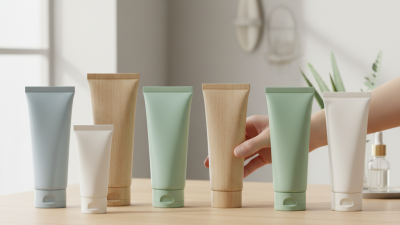
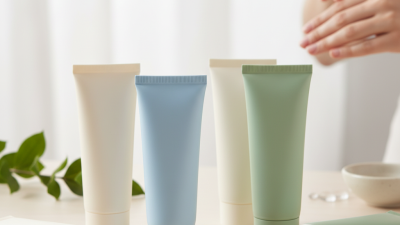
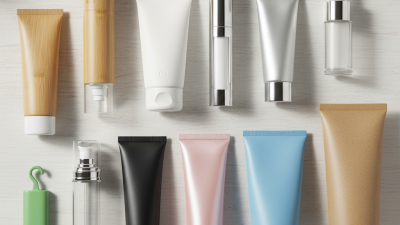
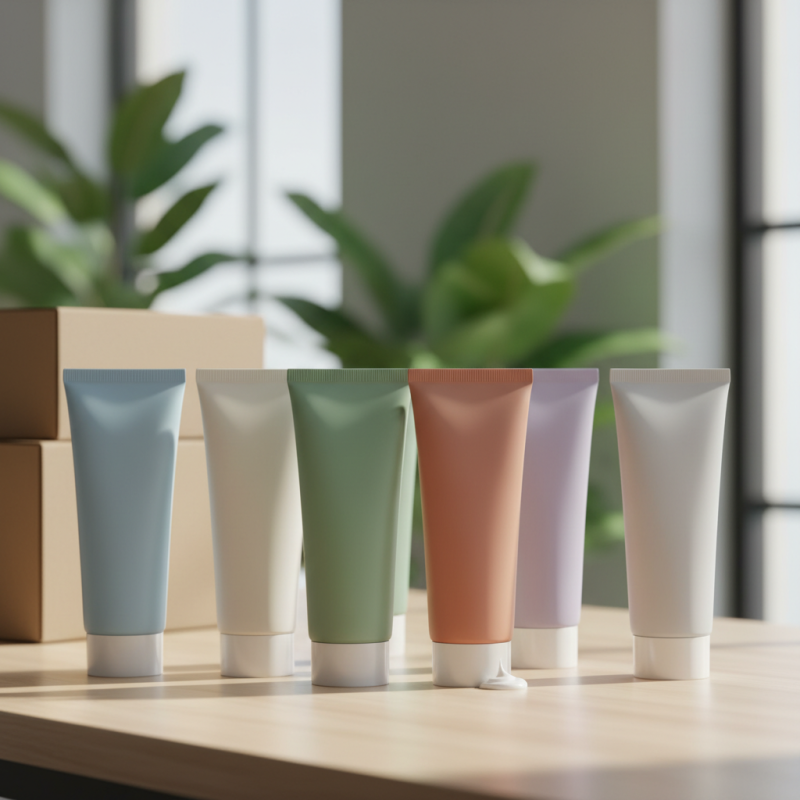
Another key benefit is customization. Lotion tubes can come in a variety of materials and designs. Brands can choose from different colors, sizes, and shapes to align with their unique identity. This flexibility allows businesses to stand out in a crowded market.
However, not all lotion tubes are created equal. It's essential to choose high-quality materials to ensure product integrity. Poor-quality tubes can lead to leaks or contamination, compromising the user experience. Getting this right is crucial. Also, consider the environmental impact of the materials used. While lotion tubes are practical, finding eco-friendly options should be a priority. This reflects brand values and attracts conscious consumers. The choices made in packaging can significantly affect a brand's image and long-term success.
Environmental Impact of Lotion Tubes Compared to Other Packaging Types
Lotion tubes are becoming a popular choice in the packaging industry, particularly due to their environmental advantages. According to a study by the Packaging Institute, plastic tubes can have a lower carbon footprint than glass or metal counterparts. This is crucial, as the global push for sustainable solutions intensifies. For instance, producing a plastic tube typically requires 70% less energy than manufacturing glass containers.
Moreover, the recyclability of lotion tubes plays a significant role in their environmental impact. Recent reports indicate that only 9% of all plastic items are recycled globally. However, advancements are being made. Some companies are now producing tubes from 100% recycled materials. This innovation is essential, as it reduces waste and conserves resources. The shift towards using lotion tubes can contribute to a more circular economy.
Despite these benefits, challenges remain. Many consumers still lack awareness of recycling options. Often, tubes are not disposed of correctly, leading to larger environmental issues. Education on proper disposal methods is crucial. As the industry evolves, improving consumer knowledge will be just as important as developing sustainable packaging technologies.
Environmental Impact of Lotion Tubes Compared to Other Packaging Types
Versatility of Lotion Tubes for Various Product Forms and Textures
Lotion tubes have gained popularity in various industries due to their adaptability to different product forms and textures. According to a market analysis by Grand View Research, the global tube packaging market is projected to reach $20 billion by 2025. This growth reflects the rising demand for flexible and convenient packaging solutions. Lotion tubes are not only suitable for creams and lotions but also for gels, ointments, and serums. Their capacity to accommodate a diverse range of viscosities makes them an ideal choice for manufacturers.
One significant advantage of lotion tubes is their design flexibility. Tubes can be customized in size, color, and material, which allows brands to create a unique identity. With advancements in printing technology, vibrant visuals and patterns are now easily achievable. This customization enhances brand recognition and attracts consumers in a competitive market. In fact, a report from Smithers Pira notes that personalized packaging contributes to increased consumer engagement, which is vital in today's market landscape.
Tip: When choosing lotion tubes, consider your product's texture and viscosity. Ensure the tube material can handle the product's consistency effectively. Additionally, evaluate the closure type—flip-top caps or pumps can provide added convenience, enhancing user experience. A thoughtful package design allows your product to stand out and resonate with customers.
Why Choose Lotion Tubes for Your Packaging Needs?
| Product Type |
Texture |
Tube Material |
Capacity (ml) |
Closure Type |
| Moisturizer |
Creamy |
HDPE |
150 |
Flip-top |
| Sunscreen |
Lotion |
LDPE |
200 |
Screw-cap |
| Body Wash |
Gel |
PET |
300 |
Flip-top |
| Facial Cleanser |
Foamy |
PP |
100 |
Pump |
| Hand Cream |
Thick |
Aluminum |
75 |
Screw-cap |
Cost-Effectiveness and Practicality of Lotion Tubes in Manufacturing
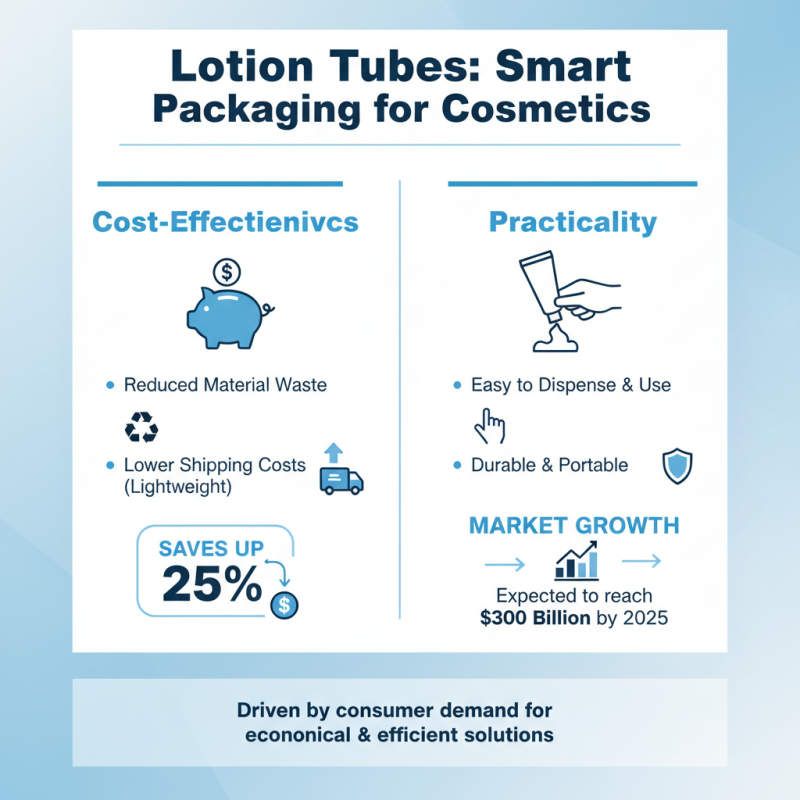
Lotion tubes have gained traction in packaging due to their cost-effectiveness and practicality. Recent industry reports indicate that the global market for flexible packaging, particularly in the cosmetic sector, is expected to reach $300 billion by 2025. This growth highlights the increasing demand for economical packaging solutions like lotion tubes.
Manufacturers appreciate lotion tubes for their ability to reduce production costs. The lightweight nature of these tubes lowers shipping expenses. Additionally, the ease of filling and sealing saves valuable time in the manufacturing process. According to a 2022 packaging survey, over 70% of producers reported lower material costs when opting for flexible packaging options.
Despite these advantages, some challenges do exist. Not all lotion tubes offer the same level of protection against contamination. Manufacturers must carefully select materials to ensure product integrity. Furthermore, the potential for customer dissatisfaction with the usability of certain designs may require re-evaluation. Striking a balance between practicality and aesthetic appeal is an area that warrants ongoing attention.
Consumer Preferences and Trends in Lotion Tube Packaging Choices
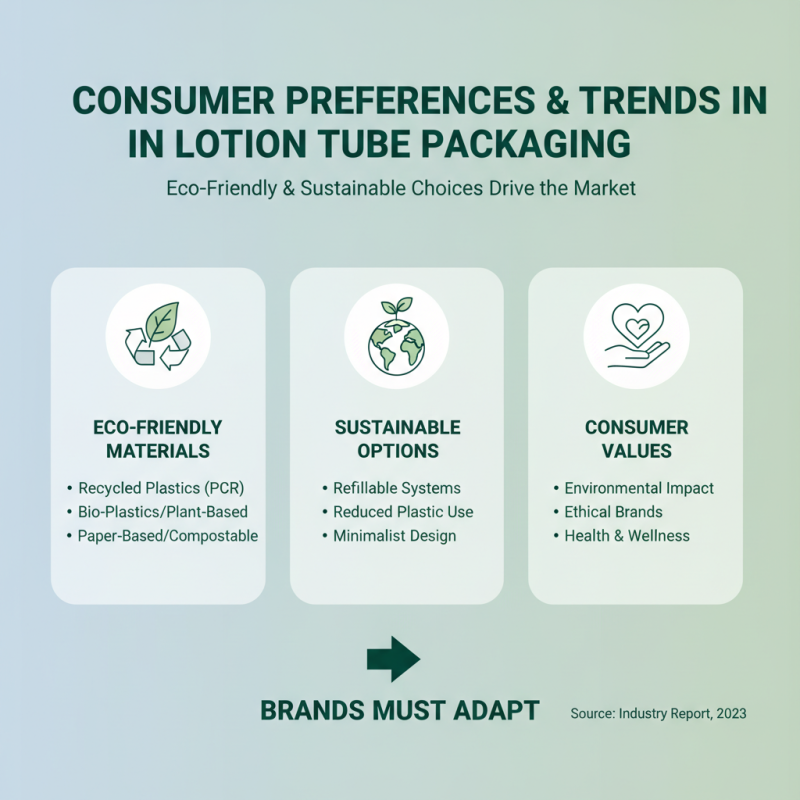
When it comes to lotion tube packaging, consumer preferences significantly influence market trends. Many consumers now lean towards eco-friendly materials. Sustainable options resonate with the environmentally conscious buyer. This shift is not just about aesthetics; it's about values. Brands must adapt to these new expectations.
Design is another critical factor. Customers appreciate functional designs that enhance usability. Flip-top caps or squeeze tubes are popular for their convenience. Easy dispensing reduces waste. It’s intriguing how much thought goes into a simple tube. However, some brands still overlook user feedback in this aspect, which can lead to missed opportunities.
There’s also a growing trend for personalized packaging. Consumers value unique experiences. Limited editions or custom designs can create a loyal following. Yet, not every brand realizes the importance of personalization. As trends evolve, companies need to reflect on their choices and adapt to consumer demands. Balancing innovation with reliability can drive success in the competitive packaging landscape.