How to Recycle Plastic Bottles Effectively in 2026?
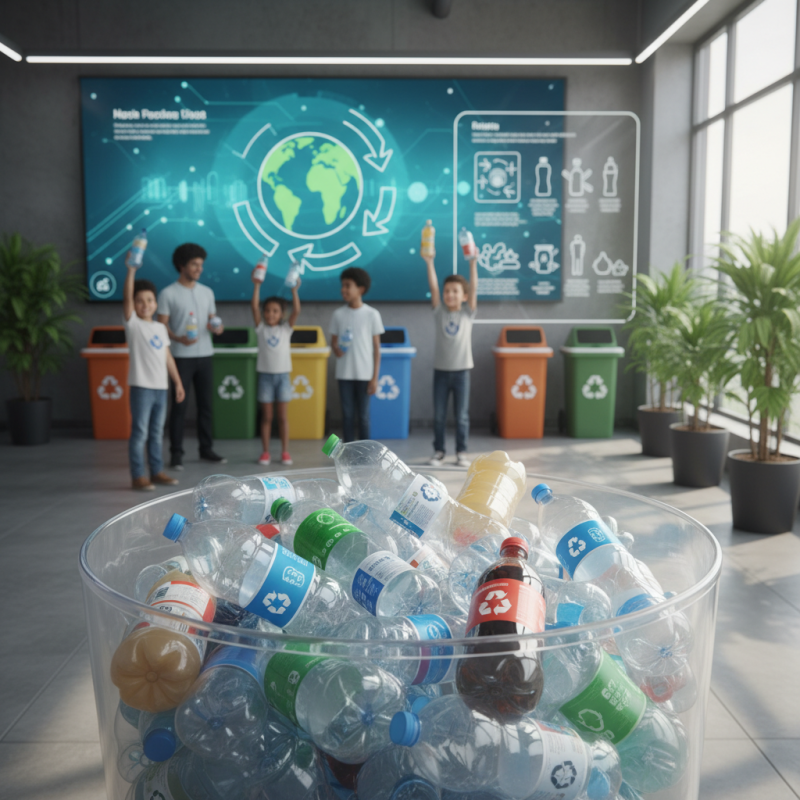
In 2026, recycling plastic bottles remains a pressing challenge. Many people still misunderstand how to recycle effectively. Often, convenience overshadows the importance of proper disposal.
Plastic bottles can contribute significantly to environmental pollution. Misplaced bottles end up in landfills where they take centuries to decompose. Community awareness is key. Educating individuals on the right practices can lead to better recycling rates.
While progress is being made, there is still room for improvement. Many households are unclear about the recycling symbols on bottles. This confusion can result in contamination, which complicates recycling efforts. Personal responsibility and collective action will play crucial roles in resolving this issue.
Understanding the Importance of Recycling Plastic Bottles in 2026
Recycling plastic bottles is crucial in 2026. As the world faces increasing waste and pollution, effective recycling practices are more important than ever. According to the Environmental Protection Agency, recycling and composting prevent the release of 186 million metric tons of carbon dioxide equivalent into the air annually. This significant reduction highlights why individuals and communities must engage in proper recycling methods.
Every plastic bottle counts. While in 2020, only 29% of plastic bottles were recycled, this number needs improvement. When recycled correctly, a single plastic bottle can be turned into new products, reducing the need for virgin plastic. Plastic pollution directly affects marine life and ecosystems. We can prevent further damage through better recycling techniques.
Tips: Rinse your bottles before recycling to ensure they are clean. Flattening bottles saves space in recycling bins and centers. Educate others on recycling importance. Share information about local recycling programs. Each step enhances community awareness and promotes sustainable behavior. Small actions can lead to significant changes.
How to Recycle Plastic Bottles Effectively in 2026?
| Recycling Method |
Efficiency Rate (%) |
Environmental Impact |
Cost (USD per Ton) |
| Mechanical Recycling |
75 |
Lower carbon footprint |
350 |
| Chemical Recycling |
90 |
Use of advanced technologies |
700 |
| Energy Recovery |
60 |
Reduction in landfill waste |
200 |
| Upcycling |
50 |
Innovative reuse |
150 |
| Dissolution Recycling |
80 |
Minimal use of chemicals |
500 |
Identifying Different Types of Plastic Bottles for Recycling
Recycling plastic bottles effectively hinges on knowing the different types available. In 2026, this knowledge is crucial. The recycling process can vary significantly with material types.
For instance, PET or polyethylene terephthalate is widely accepted. In fact, around 70% of all plastic bottles are made from this material. It's commonly used for drink bottles and many food containers.
HDPE or high-density polyethylene is another common type. This plastic is found in milk jugs and detergent bottles. Approximately 30% of the overall plastic waste consists of HDPE. These bottles are easily recyclable, but many consumers fail to separate them from others.
Awareness is key. Some types, like PVC, are less accepted in recycling facilities. They often end up in landfills, where their decomposition takes decades.
Understanding these differences can significantly impact recycling rates. The National Recycling Coalition highlights that improper sorting leads to a staggering 25% of recyclable materials being discarded. Many people lack awareness of this issue.
Educating the public on identifying bottle types can improve recycling outcomes. It’s not just about recycling; it’s about doing it right. A small change in perception can lead to massive ecological benefits.
Step-by-Step Guide to Preparing Plastic Bottles for Recycling
When preparing plastic bottles for recycling, a few simple steps can make a significant difference. Start by rinsing the bottles. Residue from drinks can contaminate recycling streams. Even small amounts of soda or juice can cause issues.
Next, remove any labels and caps. Some facilities cannot process these items. Cutting labels off is straightforward. If you can’t remove a cap, just leave it off. This minor detail matters in recycling.
Now, let's discuss the best practices. Be mindful of the types of plastic you are recycling. Check for numbers on the bottom. Only certain types are widely accepted. If you’re unsure, consult local guidelines.
Here’s a tip: flatten your bottles before recycling. This saves space in recycling bins. Tossing in whole bottles is tempting, but it’s less efficient. In 2026, more communities may require this.
Remember, if your bottle has been sitting for a while, it might not be suitable for recycling. Rinse immediately after use. Small habits like these can improve the recycling process significantly.
Recycling Rates of Plastic Bottles by Year
This chart illustrates the recycling rates of plastic bottles over a span of five years. The data reflects the increasing efforts and improvements in recycling initiatives.
Community Initiatives and Resources to Enhance Plastic Bottle Recycling
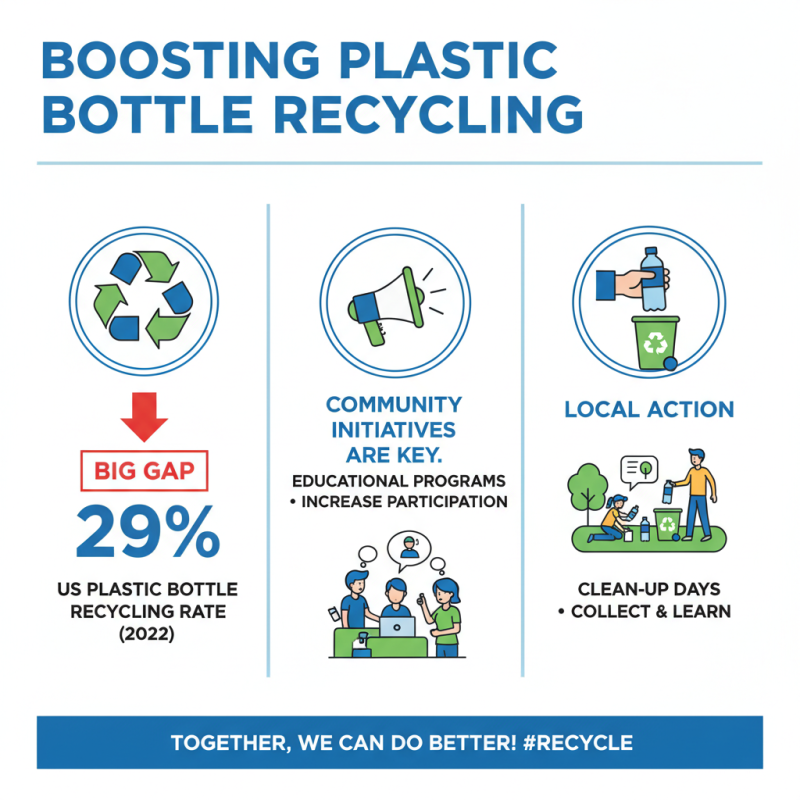
In recent years, community initiatives have emerged as vital players in enhancing plastic bottle recycling. According to the Environmental Protection Agency, recycling rates for plastic bottles in the U.S. reached only 29% in 2022. This indicates a significant gap. Local organizations are implementing educational programs to boost participation. Events like clean-up days encourage residents to collect bottles and learn more about recycling practices.
Additionally, many communities are collaborating with recycling centers. These partnerships facilitate convenient drop-off locations. They help residents easily access resources. A study from the Recycling Partnership found that communities investing in outreach saw a 50% increase in recycling rates over three years. However, challenges remain; many residents are still unaware of proper recycling procedures for plastic bottles.
Engaging more citizens in recycling efforts is crucial. One idea is setting up neighborhood recycling champions. These volunteers can guide proper sorting and motivate the community. Encouraging local schools to integrate sustainability education can raise awareness from a young age, though it’s missing in many curriculums now. There's a lot of untapped potential, and addressing these inequities is vital for future success.