Your Trusted Partner for Extruded & Laminated Packaging Tubes | Est. 2004
Leave Your Message
EMILY Cosmetic Tube Packaging Launches Production-Friendly Tube Solution

How to Source Squeeze Tube Lip Gloss for Your Brand?

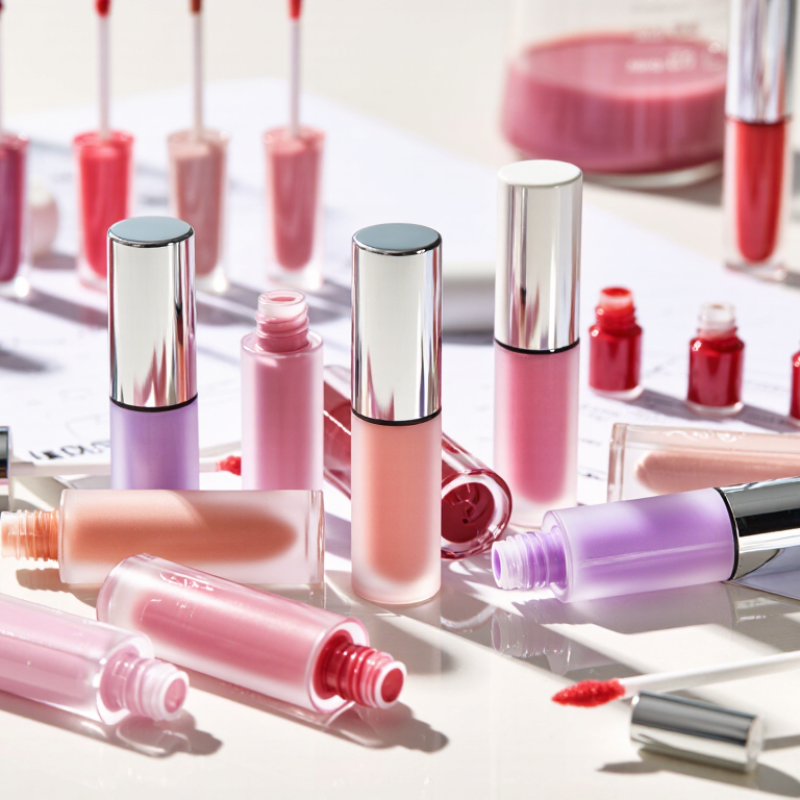
Sourcing Squeeze Tube Lip Gloss is more than choosing a attractive package. It connects product quality, brand identity, production control, and customer trust. A suitable tube should feel comfortable in the hand, dispense gloss smoothly, and protect the formula from leakage. Its nozzle size, wall thickness, cap closure, and surface finish can affect daily use. Small details matter.

A reliable sourcing process begins with clear specifications. Define the tube capacity, material, color, printing method, decoration, applicator style, and expected order volume. Then, compare suppliers through samples, technical documents, factory communication, and verified production experience. Ask how each supplier manages color consistency and leak testing. Request samples filled with the actual gloss formula, not only empty packaging. A tube may look perfect on a sample table. It can still fail after filling, shipping, or repeated opening. That gap deserves attention.

Supplier evaluation also requires evidence. Review quality-control procedures, production lead times, minimum order quantities, packaging methods, and relevant compliance documents. Confirm that claims are supported by current test reports and traceable material information. Independent testing may be worthwhile for a larger launch. It adds cost, but an avoidable recall costs far more. The process is not always neat. A supplier can communicate well yet miss a color target. A beautiful sample can hide a weak cap. Those possibilities should shape the sourcing plan. This guide explains how to assess suppliers, test Squeeze Tube Lip Gloss packaging, control risks, and make practical decisions for a dependable brand launch.

How to Source Squeeze Tube Lip Gloss for Your Brand?

Identify Your Brand’s Squeeze Tube Lip Gloss Requirements

Identify Your Brand’s Squeeze Tube Lip Gloss Requirements

Before contacting suppliers, define how the gloss should perform in a real customer’s hand. McKinsey’s 2023 beauty market report projects the global industry could reach about $580 billion by 2027. That growth increases competition. Your tube must feel deliberate, not generic. Record the target fill volume, tube diameter, nozzle opening, closure type, and expected squeeze force. A 5 ml tube may suit trial sizes, while 10 ml offers stronger shelf presence.

Formula compatibility needs careful attention. Ask the manufacturer to test the gloss against the tube resin, shoulder, nozzle, and cap. Request data on leakage, odor transfer, color stability, and seal performance. The International Organization for Standardization provides cosmetic packaging guidance through standards such as ISO 22715 for packaging and labeling considerations. Use suitable cosmetic safety documentation. Do not rely on attractive samples alone.

Your usage brief should also include viscosity, applicator preference, decoration method, and storage conditions. Circana reported continued momentum in lip makeup demand across several beauty channels in 2024, but trends can change quickly. Plan for small pilot production before committing to large quantities. My first specification was too vague. That created avoidable revisions. Ask for drop tests, torque measurements, and accelerated stability results. Also confirm minimum order quantities, production timing, and inspection procedures in writing. Small details become expensive later.

Set Product Specifications, Formulas, and Packaging Standards

How to Source Squeeze Tube Lip Gloss for Your Brand?

Clear product specifications should guide every sourcing conversation. Define the target fill volume, tube material, nozzle size, closure type, and gloss finish. State whether the formula should feel lightweight, cushiony, sticky, or fast-settling. These words need measurable references, such as viscosity ranges and application performance. Keep it practical.

The formula must match the packaging system. A thick gloss may struggle through a narrow nozzle, while a thin formula can leak around the cap. Request compatibility testing with the actual tube, not only a laboratory container. Review ingredient documents, allergen information, batch records, and stability results from the supplier. Microbiological testing is also essential for water-containing formulas. Ask how samples were stored and tested. Details matter.

Packaging standards should include seal strength, drop resistance, cap torque, print durability, and fill-weight tolerance. Examine ten or more samples, not just one perfect unit. Check for uneven edges, blocked openings, weak seals, and ink rubbing after handling. I have learned that attractive samples can hide production problems. One assumption can be wrong. A supplier should explain corrective actions clearly and provide traceable production records. Confirm that materials and claims fit your target market’s current requirements. Some teams skip transport testing, then discover leakage after shipping. That mistake is avoidable, but not always obvious. Allow time for pilot production, retained samples, and a documented approval process before placing a larger order.

Find and Compare Qualified Lip Gloss Manufacturers

How to Source Squeeze Tube Lip Gloss for Your Brand?

Finding a qualified lip gloss manufacturer requires more than comparing prices. Request product samples in squeeze tubes with different applicator tips, tube sizes, and gloss textures. Check whether the formula spreads evenly, feels comfortable, and leaves the tube without excessive residue. A reliable manufacturer should provide ingredient documentation, batch records, stability results, and clear production timelines. Ask about minimum order quantities, filling accuracy, packaging options, and quality inspections.

Compare manufacturers using the same checklist. Review their formulation experience, testing procedures, factory certifications, and communication speed. Ask how they control color consistency between batches. Request photos of production areas and sample cartons before approval. A strong supplier will explain limitations honestly. Overconfident promises deserve caution. My practical note: packaging defects often appear during transport, not during sampling. Test filled tubes in warm and cool conditions, then inspect leakage, cap fitting, and label adhesion.

Tips: Keep your brief specific. Include target texture, tube capacity, applicator style, shade range, and expected order volume. Compare total cost, not only unit price. Confirm who manages testing and documentation. Allow time for revisions, because the first sample may look right but perform poorly after storage. Keep written records of every change. Small details matter.

Assess Samples, Pricing, Minimum Orders, and Production Terms

When sourcing squeeze tube lip gloss, assess physical samples before discussing large orders. Apply the gloss to clean skin and check spreadability, shine, stickiness, and scent. Test the tube under normal pressure. The formula should dispense smoothly without sudden spurts. Inspect the nozzle for sharp edges, uneven cuts, or dried residue. Leave filled samples upright and sideways for 48 hours. Then check for leakage, paneling, and cap fit. A simple drop test can reveal weak packaging. Do not rely only on photographs.

Ask the supplier for a detailed quotation. It should separate formula cost, tube cost, decoration, filling, cartons, tooling, and shipping. Compare prices at several quantities, not only the lowest unit price. A low quote may exclude testing or setup fees. Confirm whether color matching, custom molds, and printed samples cost extra. Request payment stages and a written revision policy. Pricing often changes after artwork approval. That part is easy to miss.

Minimum order quantities deserve practical negotiation. Ask whether the MOQ applies to each shade, tube color, or total order. A mixed-shade pilot run can reduce inventory pressure. Confirm sample charges, production lead time, and the date the clock starts. Request agreed tolerances for fill volume, color variation, print position, and leakage rates. Include pre-shipment inspection rights in the production terms. Keep approved samples as reference units. They matter. Still, even a careful specification may miss a real factory problem, so allow time for one corrective production round.

Confirm Quality Control, Compliance, and Delivery Plans

Sourcing squeeze tube lip gloss requires more than choosing a soft tube and attractive applicator. Grand View Research estimated the global cosmetic packaging market at about USD 32.7 billion in 2023, with continued growth through 2030. That scale creates many suppliers, but also uneven production discipline. Request three pilot batches. Test fill weight, gloss viscosity, applicator flexibility, cap torque, leakage, odor, and color stability after heat exposure. Keep retained samples from every approved batch. A supplier’s polished sample can still hide weak sealing.

Compliance must be documented before purchase orders are released. For the United States, confirm facility registration, product listing, safety substantiation, ingredient records, and adverse-event procedures under the Modernization of Cosmetics Regulation Act. For European sales, prepare the Product Information File, Cosmetic Product Safety Report, responsible-person details, and ISO 22716-aligned manufacturing records. Packaging inks, adhesives, and elastomers also need compatibility and restricted-substance checks. Do not rely on a generic certificate. It may be outdated.

Delivery planning should connect quality data with commercial reality. Smithers’ 2024 cosmetic-packaging analysis identifies lightweighting and recyclability as major development priorities, yet material changes can affect sealing and lead times. Set a written specification freeze, production timeline, inspection point, and acceptable defect limit. Hold safety stock for closures and decorated tubes. Confirm the supplier’s backup sources for resin, pigment, and applicator components. I would not approve a forecast based only on promised capacity. One missed component can stop filling for weeks. Our first checklist may still be incomplete, so review it after every pilot run and customer complaint.

How to Source Squeeze Tube Lip Gloss for Your Brand?

Quality Control, Compliance, and Delivery Plan for Supplier Evaluation

Evaluation Dimension Control Point Recommended Requirement Verification Method Acceptance Target Status
Product and Packaging Quality Control
Tube Material Packaging resin and structure Use a documented cosmetic-grade PE, PP, or multilayer structure suitable for direct contact with lip products. Material specifications should identify resin type, thickness, and recycling information. Review technical data sheet, supplier declaration, and incoming material inspection. Material matches the approved specification and production sample. Required
Tube Capacity Nominal fill volume Define the target size, such as 5 ml, 8 ml, or 10 ml, together with the permitted net-content tolerance and tube dimensional tolerance. Calibrated weight or volume check using a defined sampling plan. Net content complies with the destination market's labeling and measurement rules. Required
Leak Resistance Tube, shoulder, nozzle, and cap seal Test filled and capped tubes under normal storage and transport conditions. Include upright, inverted, and side-position testing. Pressure, vacuum, or aging test according to the approved packaging protocol. No visible leakage, cap separation, or product contamination. Required
Dispensing Performance Gloss flow and nozzle output Confirm consistent dispensing without clogging, excessive dripping, uncontrolled backflow, or sharp nozzle edges. Manual dispensing test with the approved gloss formula at room temperature and after temperature conditioning. Uniform output and acceptable consumer usability throughout the fill level. Review
Decoration Durability Printing, coating, label, and surface finish Approve artwork, color references, print registration, barcode readability, and resistance to rubbing, oil, alcohol, and moisture. Visual inspection plus rub, adhesion, and chemical-resistance tests. No critical print loss, peeling, smearing, or unreadable barcode. Required
Dimensional Consistency Tube length, diameter, cap fit, and shoulder alignment Establish a signed golden sample and measurable tolerances before mass production. Caliper, gauge, and fit-check inspection using approved samples. All critical dimensions remain within the agreed specification. Required
Appearance Surface defects and assembly quality Define limits for scratches, dents, contamination, color variation, flash, uneven seams, and cap misalignment. Standardized visual inspection under controlled lighting. Zero critical defects; major and minor defect limits documented in the quality agreement. Planned
Formula Compatibility Interaction between gloss and packaging Evaluate swelling, softening, discoloration, odor transfer, stress cracking, and changes in gloss texture during storage. Compatibility study using the final formula, packaging, and closure. No unacceptable package or formula change during the defined shelf-life study. Required
Compliance and Documentation
Cosmetic-Contact Safety Packaging safety documentation Obtain material composition information, applicable declarations, and supporting safety documents for all packaging components that contact the formula. Document review by the responsible regulatory or quality team. Complete, current, and traceable documentation before purchase approval. Required
Restricted Substances Heavy metals, prohibited substances, and chemical restrictions Screen materials against the requirements of the destination market, including applicable EU REACH restrictions and relevant cosmetic packaging requirements. Supplier declaration supported by risk-based laboratory testing where necessary. No restricted substance exceeds the applicable legal limit. Required
Packaging Claims Recyclability and environmental statements Substantiate claims such as recyclable, recycled content, or reduced plastic. Do not rely on a claim based solely on the presence of a recycling symbol. Material review, claim substantiation, and market-specific legal review. Claims are accurate, supportable, and permitted in the target market. Review
Factory Quality System Process control and traceability Confirm documented procedures for incoming inspection, in-process checks, final inspection, nonconformance handling, corrective action, and batch traceability. Quality-system questionnaire, document audit, or on-site audit. Records are available for each production lot and retained for the agreed period. Required
Product Testing Records Test method and result control Require dated inspection reports linked to lot numbers, sampling quantities, test methods, and disposition decisions. Review pre-shipment inspection and certificate-of-analysis records where applicable. Every shipment has complete and internally consistent records. Planned
Sampling, Approval, and Production Gates
Initial Sample Design and functional approval Request empty tubes, caps, decorated samples, and filled samples using the intended formula or a close viscosity equivalent. Cross-functional review by packaging, quality, regulatory, and product teams. Written approval of the golden sample and specification sheet. Required
Pilot Run Process validation before scale-up Run a limited production quantity to verify filling, sealing, decoration, assembly, packing, and transport readiness. Pilot inspection and documented corrective-action review. No unresolved critical issue before mass production authorization. Review
Pre-Shipment Inspection Final lot release Inspect quantity, appearance, dimensions, functionality, packaging configuration, labeling, carton marks, and random samples from finished goods. Internal inspection or independent inspection against the approved quality agreement. Shipment meets agreed acceptance criteria and release documentation is complete. Required
Delivery and Continuity Planning
Sample Lead Time Development and approval schedule Allow approximately 5–15 business days for standard samples; custom tooling, decoration, or formula matching may require additional time. Confirm timeline in writing with milestone dates and approval responsibilities. Sample date, revision date, and approval deadline are documented. Planned
Production Lead Time Manufacturing and packing schedule For standard components, plan approximately 20–45 business days after artwork, purchase order, materials, and final sample approval. Custom components may take longer. Supplier production plan with material and capacity confirmation. Committed ship date includes quality-release time and contingency. Review
Minimum Order Quantity Commercial feasibility Confirm separate minimum quantities for standard tubes, custom colors, special finishes, printed decoration, and custom tooling. Written quotation with assumptions, setup fees, and overage policy. Quantity requirements fit the launch forecast and cash-flow plan. Required
Transit and Delivery Shipping method and delivery risk Define trade terms, shipping mode, carton dimensions, palletization, insurance responsibility, customs documents, and delivery point. Review logistics plan and compare quoted transit time with the launch calendar. Delivery date includes a practical buffer for inspection, customs, and carrier delays. Required
Buffer Stock Continuity of supply Set safety stock according to demand variability, production lead time, shipping risk, and the consequences of stockout. Inventory policy based on historical demand or forecast uncertainty. Coverage is sufficient for the agreed replenishment cycle. Review
Change Notification Material, tooling, process, or site changes Require advance written notification and reapproval before changes to resin, additive, decoration, closure, tooling, manufacturing location, or critical process settings. Quality agreement and change-control record review. No unapproved change reaches production or shipment. Required
Recommended Supplier Decision Record
Quality Score Overall product and process evaluation Weight leak resistance, dispensing performance, decoration durability, dimensional control, appearance, and formula compatibility. Use a documented scoring matrix based on approved samples and inspection results. Supplier meets all critical criteria before commercial approval. Score
Compliance Score Regulatory readiness Weight documentation completeness, restricted-substance controls, claims support, traceability, and change-control capability. Regulatory document checklist and risk assessment. No unresolved legal or safety gap for the intended market. Score
Delivery Score Schedule reliability Weight sample timing, production capacity, confirmed lead time, logistics plan, safety stock, and contingency options. Compare committed dates with the launch plan and record historical performance when available. Supplier provides a feasible date with documented contingency actions. Score
All acceptance limits, test methods, sampling levels, and regulatory obligations should be confirmed for the destination market and documented in the purchase specification and quality agreement before mass production.