Why Choose Skin Bottles for Your Packaging Needs?
In today's competitive market, packaging plays a crucial role in brand perception and customer retention. Skin Bottles have emerged as a popular choice among companies seeking innovative and efficient packaging solutions. According to a recent report from Smithers Pira, the global packaging industry is projected to reach $1 trillion by 2024. This growth underscores the increasing importance of selecting the right packaging format.
Skin Bottles offer several advantages that align with current consumer trends. Their sleek design not only enhances shelf appeal but also minimizes waste. A study by Packaging Insights shows that consumer demand for eco-friendly packaging grew by 40% last year. Skin Bottles provide an eco-conscious option that meets this need while retaining product integrity.
While Skin Bottles are gaining traction, some brands still hesitate to adopt new technologies. They may overlook the fact that Skin Bottles can reduce packaging materials by up to 30%. Failing to embrace innovative solutions like Skin Bottles may hinder a brand's ability to stay relevant and efficient. Thus, exploring Skin Bottles could be a pivotal step toward meeting evolving market demands and enhancing sustainability efforts.
Benefits of Skin Bottles in Product Packaging
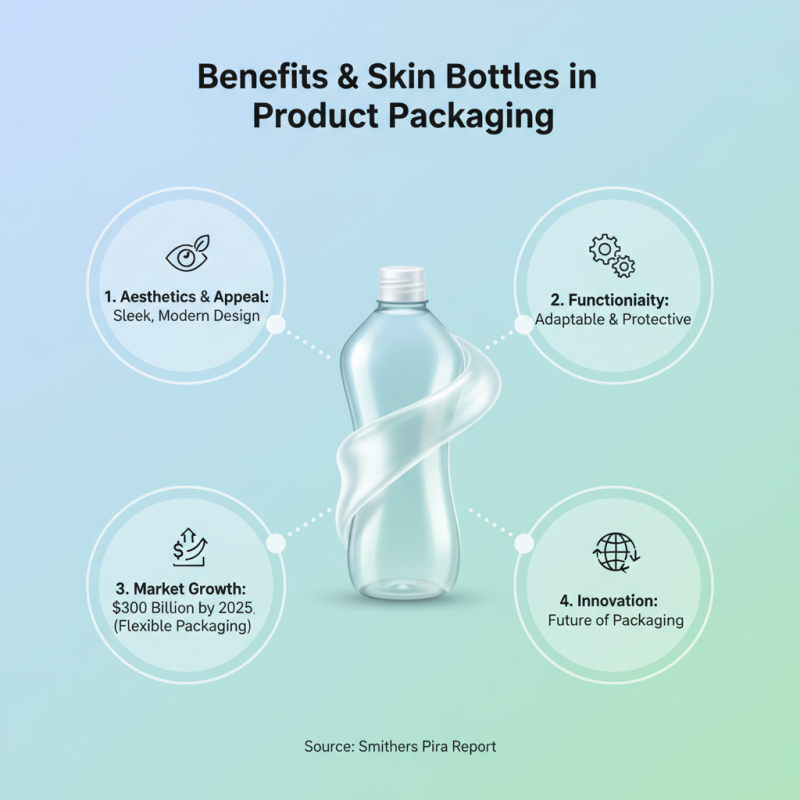
Skin bottles are rapidly gaining popularity in the packaging industry. They combine aesthetics with functionality. The sleek design offers a modern appeal that attracts consumers. According to a report by Smithers Pira, the global market for flexible packaging is projected to reach $300 billion by 2025. This demonstrates a significant shift towards innovative packaging solutions.
One major benefit of skin bottles is their lightweight construction. Traditional packaging can be bulky and heavy. Skin bottles reduce this weight, leading to lower transportation costs. A study from Freedonia Group highlights that lightweight packaging solutions can decrease shipping expenses by up to 15%. Additionally, skin bottles often have a lower carbon footprint compared to rigid containers. They use less material, which appeals to eco-conscious consumers.
However, there are some challenges with skin bottles. Ensuring product safety is vital. Companies need to guarantee that the materials used are non-toxic and stable. Furthermore, the manufacturing process for skin bottles can be complex. Brands must evaluate their production capabilities carefully. Despite these concerns, the benefits of skin bottles in enhancing brand visibility and reducing waste are undeniable.
Comparative Analysis: Skin Bottles vs. Traditional Packaging
Skin bottles are an innovative packaging solution that address several needs in today's market. Unlike traditional packaging, skin bottles have a unique design that allows for a snug fit around the product, minimizing wasted space. This feature significantly reduces shipping costs and environmental impact. The absence of excess air in the packaging results in a longer shelf life, keeping products fresh for extended periods.
Traditional packaging often relies on multiple layers, which can create waste and increase production costs. Skin bottles simplify this process with their streamlined design. They are made from flexible materials that can conform to the product within. This adaptability makes them more efficient in storage and transport. However, some manufacturers may struggle to transition to this new format, as not all production lines are equipped for skin bottle technology.
While skin bottles offer many advantages, they also present unique challenges. Finding the right materials to ensure durability and safety is crucial. Poorly made skin bottles can compromise product integrity. Companies must invest in quality control to maintain standards. This approach requires a commitment to continuous improvement in packaging techniques. Embracing skin bottles is a step forward, but it demands careful consideration and adaptation in manufacturing practices.
Why Choose Skin Bottles for Your Packaging Needs? - Comparative Analysis: Skin Bottles vs. Traditional Packaging
| Feature |
Skin Bottles |
Traditional Packaging |
| Weight |
Lightweight |
Heavier |
| Material Flexibility |
High flexibility |
Limited flexibility |
| Sustainability |
More eco-friendly options |
Often less sustainable |
| Aesthetic Appeal |
Modern and sleek |
Classic but less appealing |
| Dispensing Ease |
Easy dispensing |
Can be cumbersome |
| Cost |
Moderately priced |
Often higher cost |
| Air Tightness |
Excellent air tightness |
Varies by type |
Design Versatility and Aesthetic Appeal of Skin Bottles
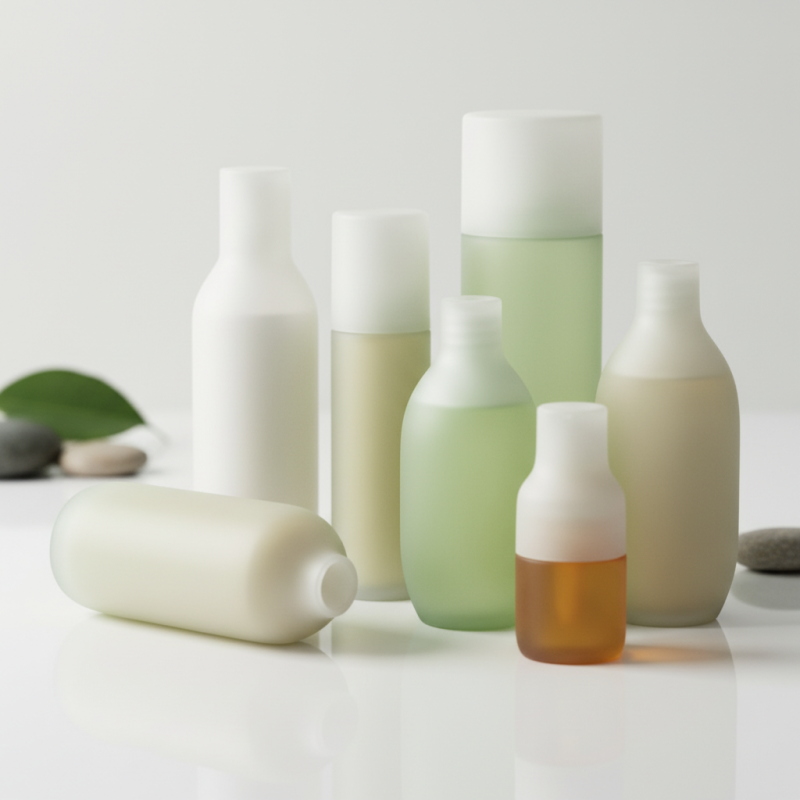
Skin bottles offer remarkable design versatility and aesthetic appeal, making them an excellent choice for packaging. Their unique shape and soft texture can attract consumers' attention on crowded shelves. The smooth surface can showcase vibrant colors and intricate designs, enhancing brand identity and marketability. This distinct aesthetic can position products as modern and innovative.
However, there is a challenge in finding the right balance between style and function. Some designs may not be as practical for certain liquids. Leak-proof seals may not align with all artistic shapes. This requires careful consideration during the design process. Additionally, while skin bottles are visually appealing, manufacturers must also ensure they meet safety and compliance standards in various regions.
The tactile experience of skin bottles can elevate the user’s engagement with the product. Consumers may enjoy the feel of the bottle in their hands. This sensory interaction can create a deeper connection with the brand. Yet, the appeal of design must not overshadow the bottle's functionality. Continuous feedback and evaluations are crucial to ensure that skin bottles meet consumer expectations. Balancing beauty with practicality presents an exciting challenge for designers and brands alike.
Sustainability and Eco-Friendliness of Skin Bottles
The rise of skin bottles in packaging reflects a growing commitment to sustainability. Unlike traditional plastic, skin bottles often utilize materials that are lightweight and recyclable. This reduces environmental impact significantly. The production process for these bottles uses less energy and generates fewer greenhouse gases.
Consumers today are more eco-conscious. Many seek products that align with their environmental values. Skin bottles offer an innovative solution. They are designed for efficient use, with minimal waste produced during their lifecycle. However, there are still challenges. Not all skin bottles are created equal when it comes to biodegradability.
Furthermore, achieving true sustainability in packaging remains complex. Some skin bottles may still rely on non-biodegradable components. Transparency in sourcing materials is crucial. Brands must communicate their efforts clearly to build trust. Exploring and refining eco-friendly options is vital for the future. Sustainable practices are a journey, not a destination.
Cost-Effectiveness and Efficiency in Production of Skin Bottles
Skin bottles are becoming a popular choice for packaging solutions due to their cost-effectiveness and efficient production processes. These bottles, often made from flexible materials, are less expensive to produce than traditional rigid containers. The reduction in material costs is one major benefit, allowing companies to allocate resources elsewhere. Efficient use of materials minimizes waste, thus lowering overall production expenses.
Moreover, the production of skin bottles requires less energy compared to other packaging options. This factor not only cuts down costs but also promotes sustainability. Companies that prioritize eco-friendly practices can benefit from using these innovative bottles. However, some manufacturers may find the transition to skin bottles challenging. The need for new machinery or training can complicate the initial phase. It is essential for businesses to weigh these factors against potential savings.
The versatility of skin bottles also deserves attention. They can hold a variety of products, from cosmetics to food items. This adaptability enables brands to reach different markets without investing heavily in multiple packaging formats. However, durability might be a concern for some products. Understanding the specific needs of a product is crucial for effective packaging. As companies explore the benefits of skin bottles, ongoing evaluation of their advantages and limitations is key to maximizing effectiveness.
Cost-Effectiveness of Skin Bottles in Packaging
This bar chart illustrates the cost-effectiveness of skin bottles in various metrics such as material cost, production time, recyclability, and market demand. Skin bottles offer advantages in sustainability and efficiency, making them an appealing choice for packaging needs.