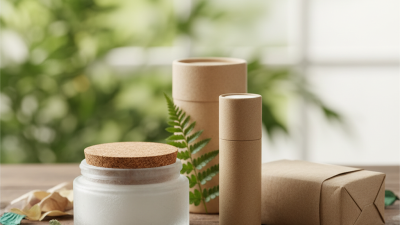
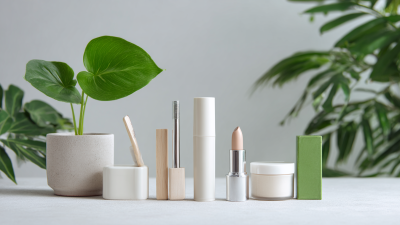
Eco Friendly Cosmetic Packaging Solutions for Global Buyers?
In recent years, the demand for Eco Friendly Cosmetic Packaging has surged as consumers become more environmentally conscious. This shift reflects a broader trend toward sustainability in the beauty industry. Brands are now exploring innovative materials that reduce environmental impact. Biodegradable, recyclable, and refillable packaging options are gaining popularity.
Eco Friendly Cosmetic Packaging not only addresses environmental concerns but also enhances brand image. Companies that prioritize sustainability often attract a loyal customer base. However, such packaging solutions can sometimes present challenges. The balance between eco-friendliness and product protection is delicate.
There is a need for continuous improvement in materials and designs. Many brands still rely on traditional packaging methods, which may not align with eco-friendly goals. As the market evolves, collaboration between packaging suppliers and cosmetic brands is vital for effective solutions. Embracing this movement can lead to better practices and greater consumer trust.
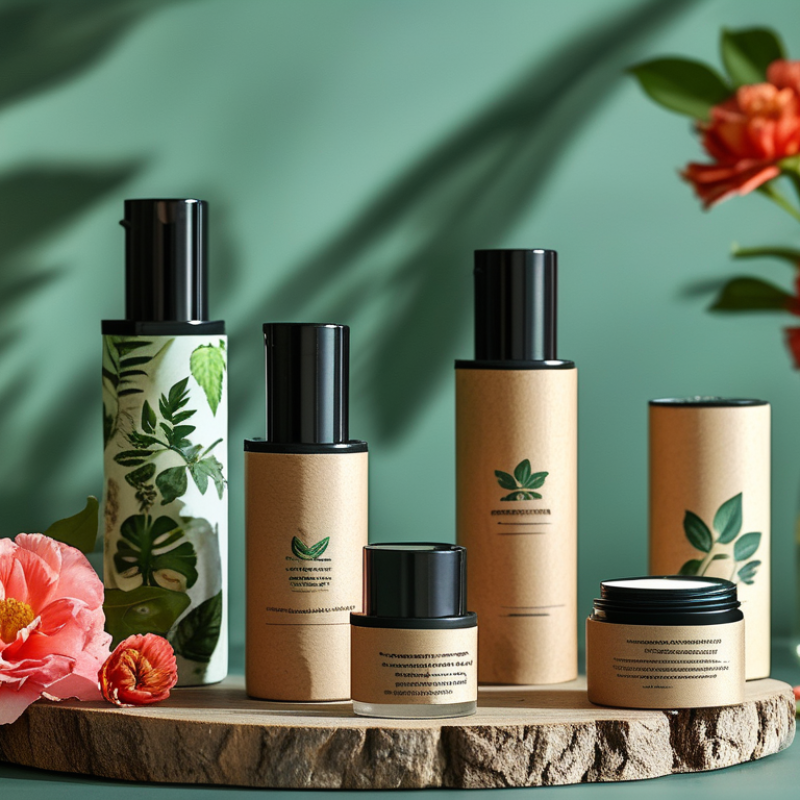
Eco-Friendly Packaging Market Overview: Current Trends and Growth Rates
Eco-friendly packaging is rapidly gaining traction in the cosmetics industry. This trend reflects a growing awareness of environmental sustainability among consumers. The market for eco-friendly packaging is expanding steadily, driven by the demand for biodegradable, recyclable, and reusable materials. Statistics show a strong growth rate, with many brands shifting towards sustainable options.
Tips: Consider using materials like recycled paper or plant-based plastics. These alternatives reduce environmental impact. Sustainable packaging not only benefits the planet but can also enhance brand reputation. Customers often prefer brands that prioritize eco-friendliness.
However, while the trend is positive, challenges remain. Many companies face obstacles in sourcing sustainable materials. Additionally, consumer education about eco-friendly options is still evolving. Some consumers may be hesitant to fully embrace these changes. Engaging with customers about the benefits is essential to encourage more sustainable choices. Brands that succeed in communicating their eco-friendly initiatives will likely lead the market.
Eco-Friendly Packaging Market Overview
This bar chart illustrates the market share distribution of various eco-friendly packaging solutions. Biodegradable packaging leads with 35%, followed by recyclable at 30%, showing a strong trend toward environmentally responsible packaging in the global market.
Sustainable Materials: Types of Eco-Friendly Packaging Options Available
As cosmetic brands increasingly embrace sustainability, eco-friendly packaging solutions are gaining traction. According to a recent report from Smithers Pira, the market for sustainable packaging in the cosmetics sector is projected to reach $36 billion by 2024. This rise reflects a growing consumer demand for products that are as kind to the environment as they are to the skin.
Sustainable materials available for cosmetic packaging include biodegradable plastics, recycled paper, and glass. Biodegradable plastics, derived from renewable sources, can decompose naturally. Recycled paper offers a low-impact alternative, reducing waste and the need for virgin materials. Glass remains a reliable choice, being endlessly recyclable. However, the challenge lies in balancing aesthetics with functionality. Brands often struggle to find packaging that meets both eco-friendly standards and consumer expectations for design and usability.
Investing in sustainable packaging can improve brand image and attract environmentally conscious consumers. However, the transition requires careful consideration of material sourcing and lifecycle impacts. For example, while bioplastics may seem a perfect solution, they can still require specific conditions to decompose. Such complexities in eco-friendly packaging mean brands must remain vigilant and continuously adapt their strategies.
Consumer Preferences: The Shift Towards Green Cosmetic Packaging Solutions
In recent years, consumers have shown a significant shift in their preferences towards eco-friendly cosmetic packaging. This change is driven by a growing awareness of environmental issues and sustainability. People are looking for products that not only work well but also come in packaging that minimizes harm to the planet.
Many buyers now seek out biodegradable materials, reducing plastic waste. Recyclable and compostable packaging options are gaining popularity. It's essential for companies to understand that this isn't just a trend; it's a fundamental shift in consumer behavior. Companies must reflect these values in their product offerings. However, finding effective solutions can be challenging. Some materials may not perform as well or may increase costs.
Even with this shift, there are still hurdles to overcome. Not all eco-friendly options deliver the aesthetic appeal that many consumers desire. There is often a trade-off between sustainability and visual packaging appeal. Educating consumers about these choices is crucial. With time, the industry can refine packaging solutions that are both beautiful and environmentally friendly.
Regulatory Impact: How Policies are Shaping Sustainable Cosmetic Packaging
Regulatory policies are increasingly shaping sustainable cosmetic packaging. Governments worldwide are recognizing the environmental impact of plastic waste. New regulations urge brands to adopt eco-friendly practices. These policies often focus on reducing materials and promoting recyclable options. Innovation in biodegradable materials is crucial for compliance and consumer appeal.
Sustainability isn't always straightforward. Some regulations can be vague or inconsistent across regions. This can complicate manufacturers' efforts to implement changes. Companies may struggle to balance compliance and cost, impacting their ability to innovate. They must constantly adapt to differing standards.
Monitoring the evolving landscape of these regulations is essential. Brands should invest in research and development to stay ahead. Engaging with policymakers can provide a clearer understanding of upcoming changes. Collaborative efforts may also drive industry-wide solutions. Sustainable packaging is not just a trend; it’s a necessity for a responsible future.
Case Studies: Successful Implementations of Eco-Friendly Packaging in Cosmetics
The cosmetics industry faces mounting pressure to adopt eco-friendly packaging solutions. A significant case study involves a leading beauty brand that transitioned to biodegradable materials. Their shift reduced plastic waste by 30% over two years, showcasing the potential impact of sustainable choices.
Another compelling example comes from a mid-sized company that employed recycled paper and plant-based inks. This strategy not only minimized environmental harm but also enhanced brand loyalty. According to a report by Grand View Research, 75% of consumers prefer brands with sustainable packaging. This consumer trend underscores the financial viability of green practices.
While the positive impacts are evident, challenges remain. Sourcing sustainable materials can be difficult. Furthermore, consumer education about eco-friendly options is essential. Many brands still grapple with misconceptions surrounding these products. The industry must continue evolving to meet both consumer expectations and environmental responsibilities.